Birds at the dock

June 16, 2026: 20 species identified by BirdNET listening to the dock microphone. Eastern Bluebird was the most active with 112 calls; Barn Swallow traveled farthest, a 9,700 mi round trip.

Calls by hour

Each bar counts distinct 30-second windows in which BirdNET identified a species at high confidence, bucketed by Eastern Time hour. The dawn chorus typically peaks between 6 and 8 a.m.

☀ SUNRISE 6:22 AMSUNSET ☾ 8:56 PM01225375012 AM4 AM8 AMNOON4 PM8 PM

Species heard

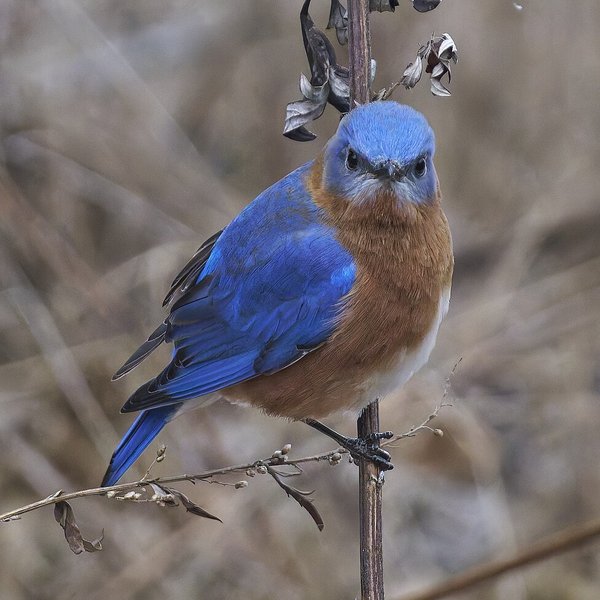
Eastern Bluebird
112 calls
Eastern Bluebird
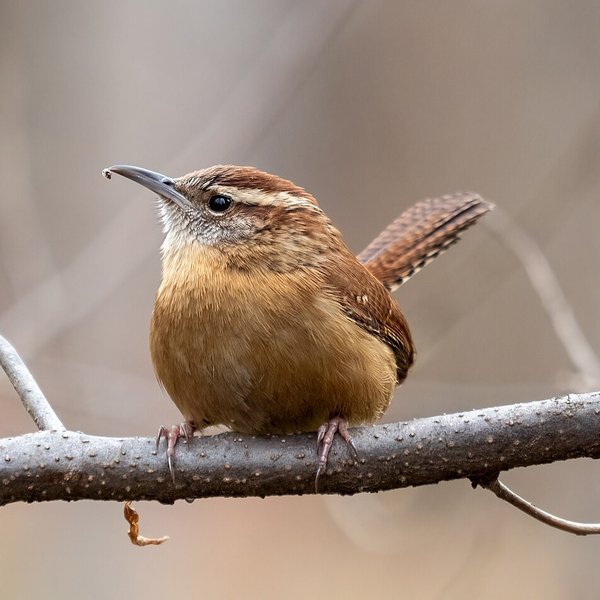
Carolina Wren
70 calls
Carolina Wren
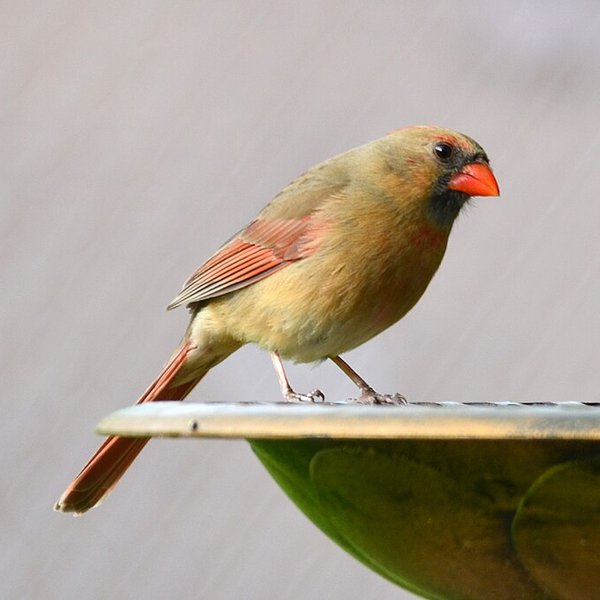
Northern Cardinal
39 calls
Northern Cardinal
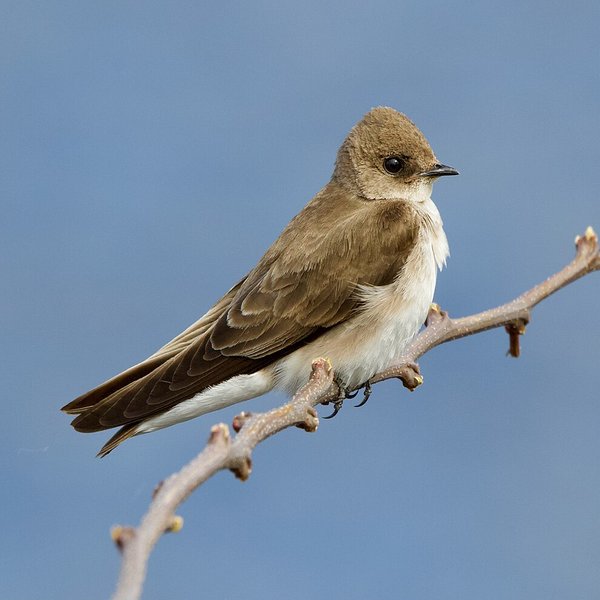
Northern Rough-winged Swallow
34 calls
Northern Rough-winged Swallow
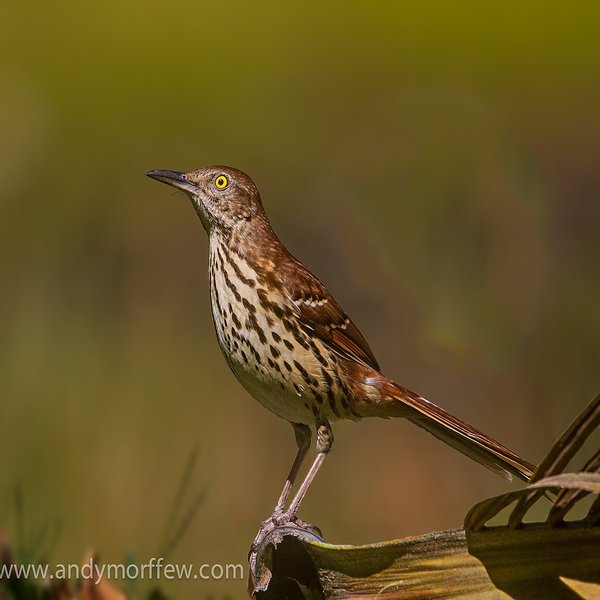
Brown Thrasher
28 calls
Brown Thrasher
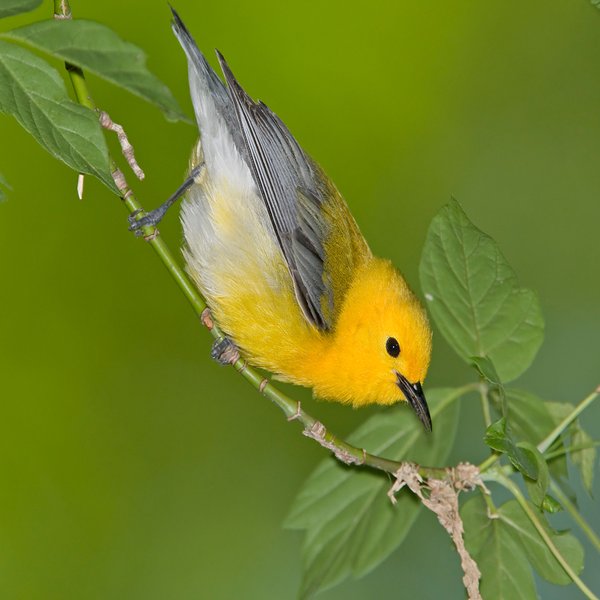
Prothonotary Warbler
25 calls
Prothonotary Warbler
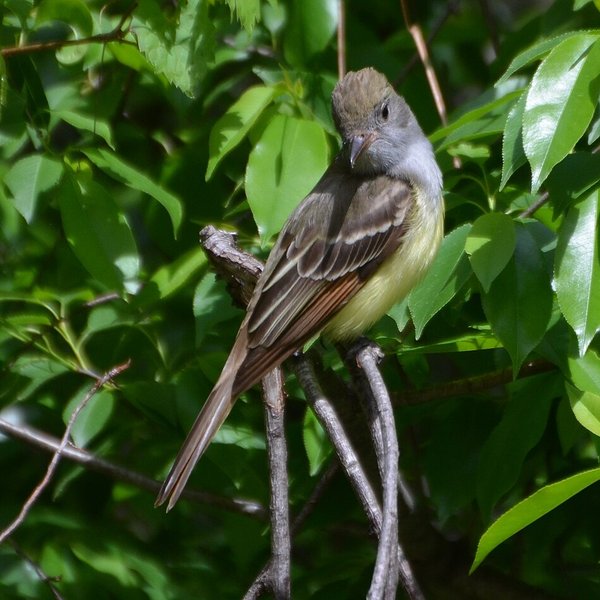
Great Crested Flycatcher
20 calls · 5,000 mi round trip
Great Crested Flycatcher
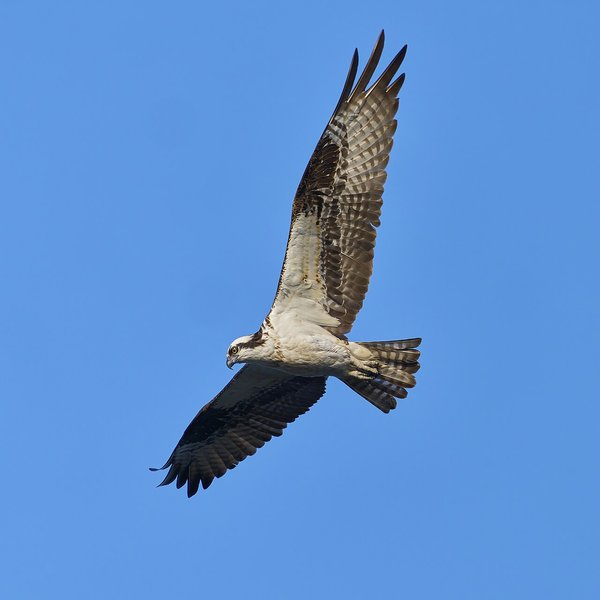
Osprey
14 calls
Osprey
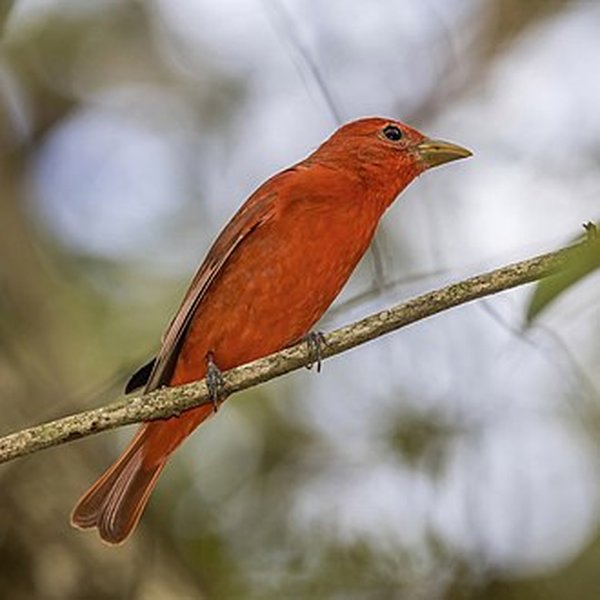
Summer Tanager
13 calls
Summer Tanager
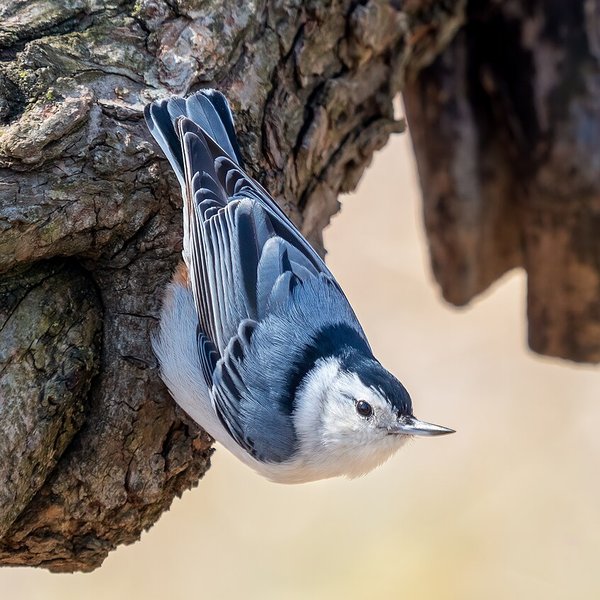
White-breasted Nuthatch
11 calls
White-breasted Nuthatch
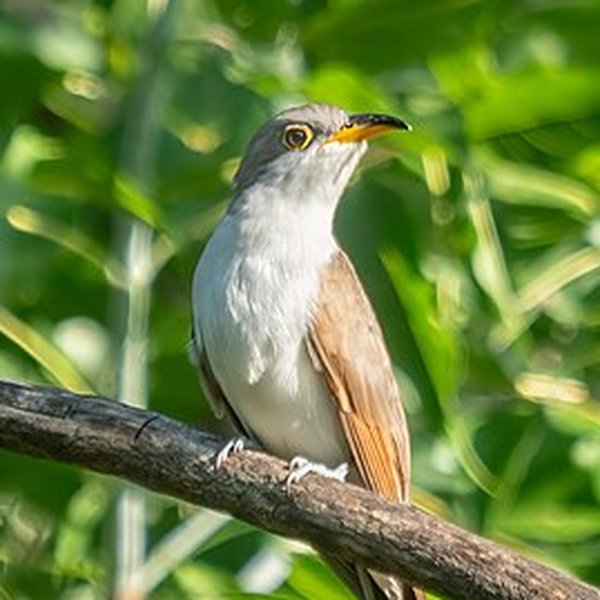
Yellow-billed Cuckoo
10 calls
Yellow-billed Cuckoo
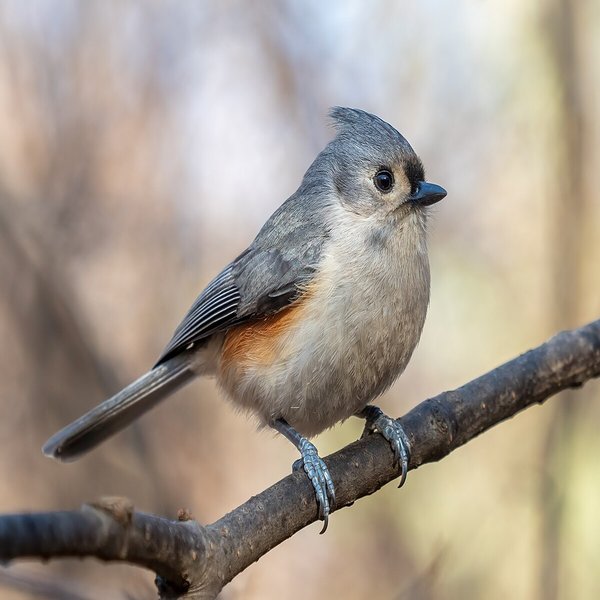
Tufted Titmouse
9 calls
Tufted Titmouse
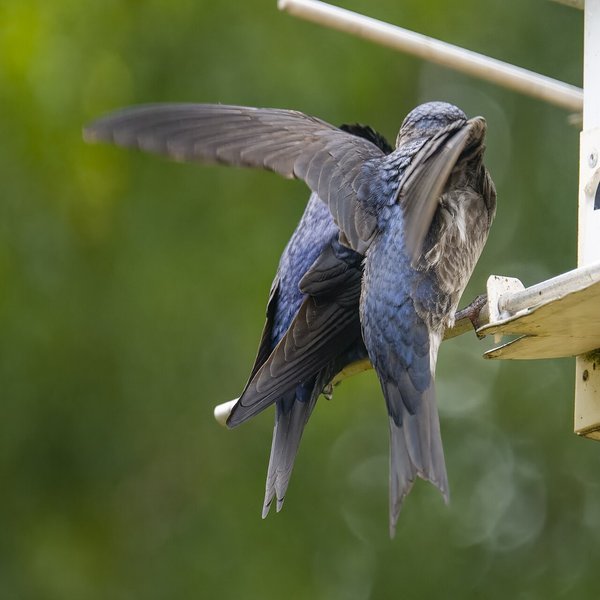
Purple Martin
8 calls
Purple Martin
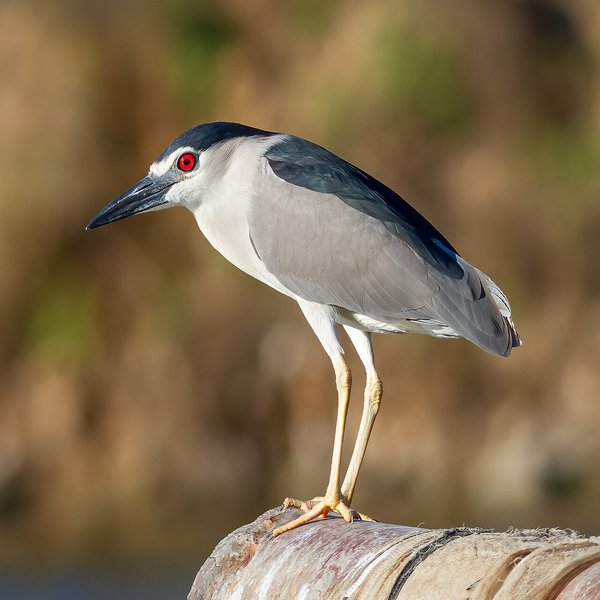
Black-crowned Night Heron
8 calls
Black-crowned Night Heron
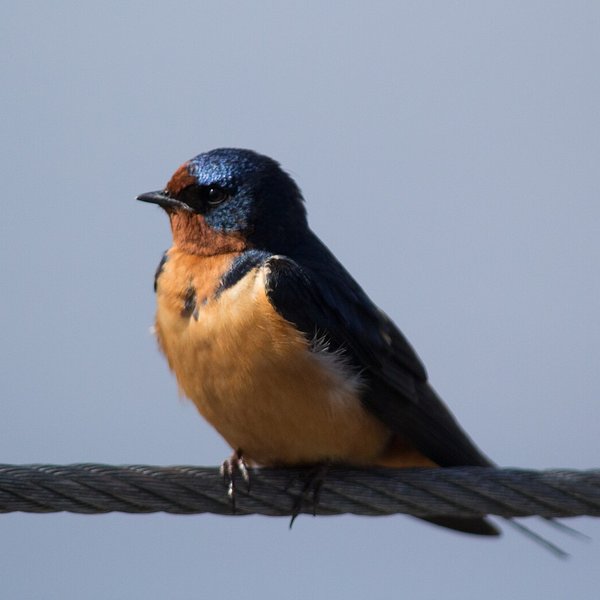
Barn Swallow
7 calls · 9,700 mi round trip
Barn Swallow
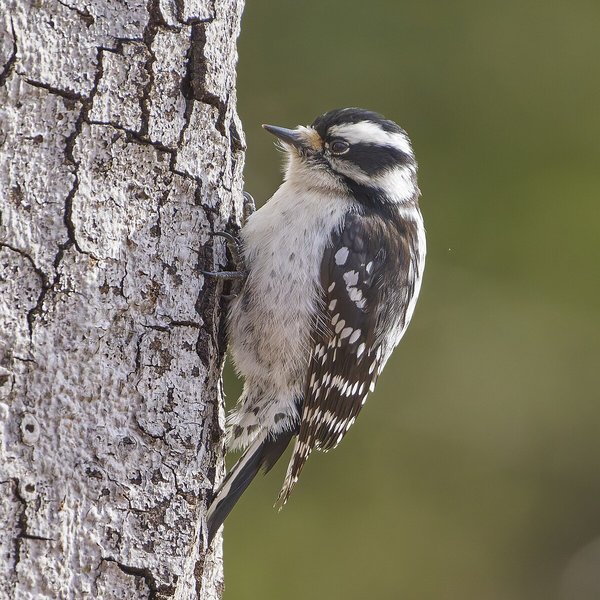
Downy Woodpecker
5 calls
Downy Woodpecker
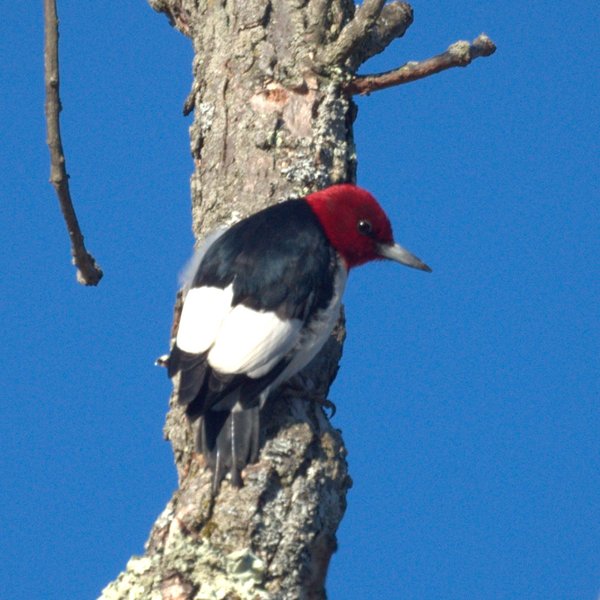
Red-headed Woodpecker
4 calls
Red-headed Woodpecker
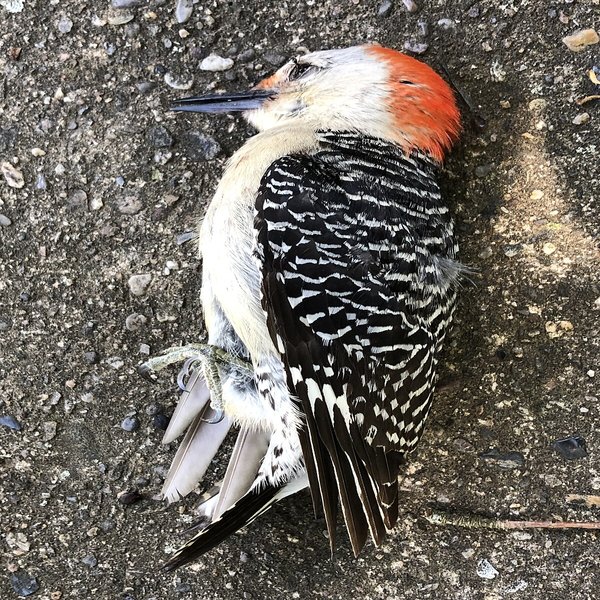
Red-bellied Woodpecker
3 calls
Red-bellied Woodpecker
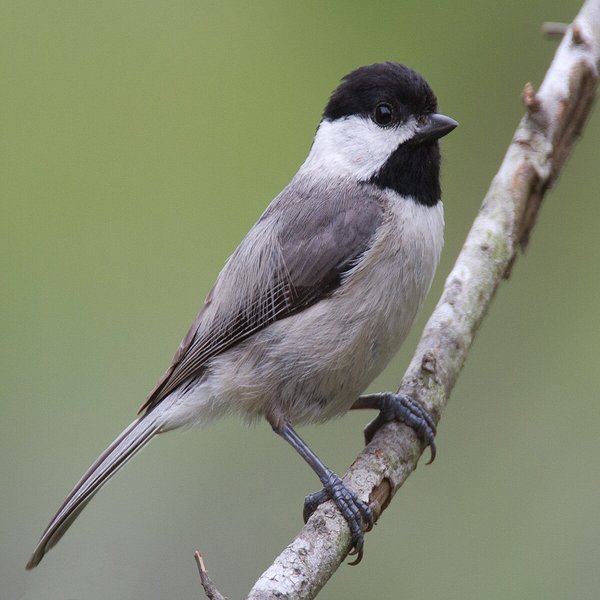
Carolina Chickadee
3 calls
Carolina Chickadee
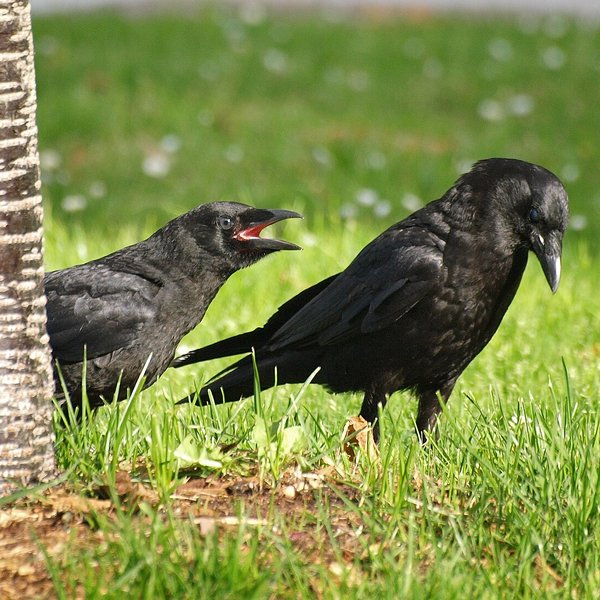
American Crow
2 calls
American Crow

How this works

A microphone is mounted at the dock at Tennessee River Mile 559.5, listening to the lake 24/7. Audio runs through BirdNET from the Cornell Lab of Ornithology, an open-source neural network that identifies bird species by sound. Detections at high confidence are tallied here.

Bird photos are pulled automatically from Wikipedia and cropped to the bird with YOLOv8 object detection. Individual photo credits are on each species' Wikipedia page.