Fishing Watts Bar Lake
Watts Bar is a productive multi-species lake. Largemouth dominate mid-lake brush and grass. Smallmouth favor lower-lake rock and the Fort Loudoun tailwater. Crappie work creek backs in spring and deep brush in summer. Stripers move from Kingston upstream in spring and toward Rockwood and White's Creek in fall.
Biting now
Largemouth Bass, white, Crappie
Best bet Backs of creeks, grass edges, bait migrations
Updated 3:50 PM ET · Dock station at TRM 559.5Full live conditions →
Water, air, and wind from the dock sensor. Lake level, generation, and outflow from TVA telemetry. No forecasts.
Pick a Species
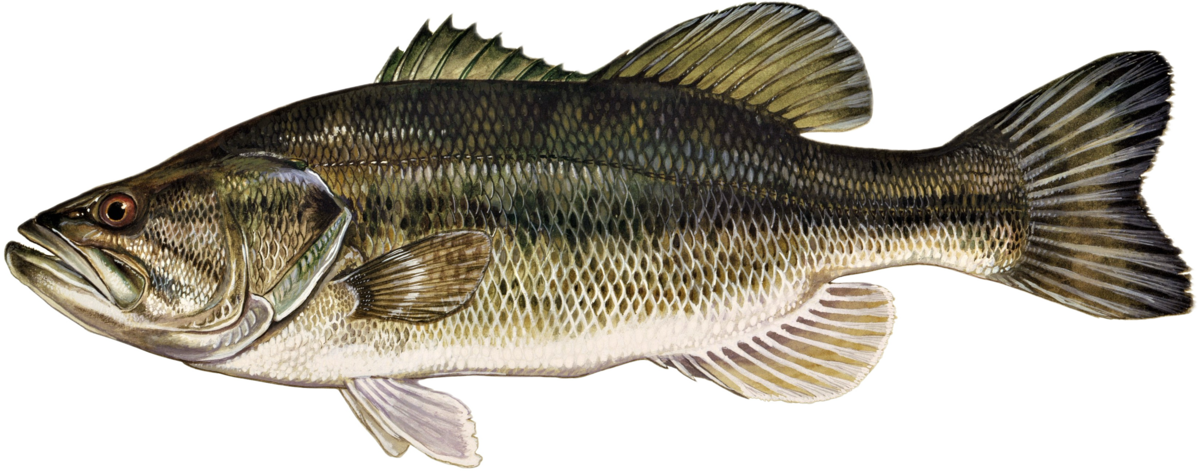
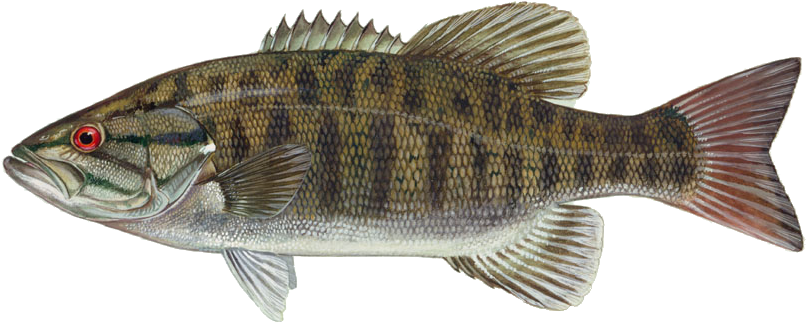
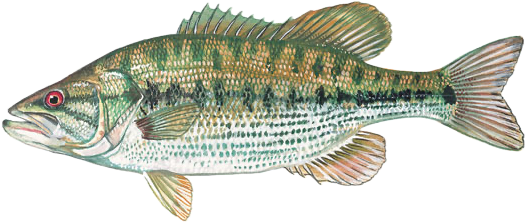
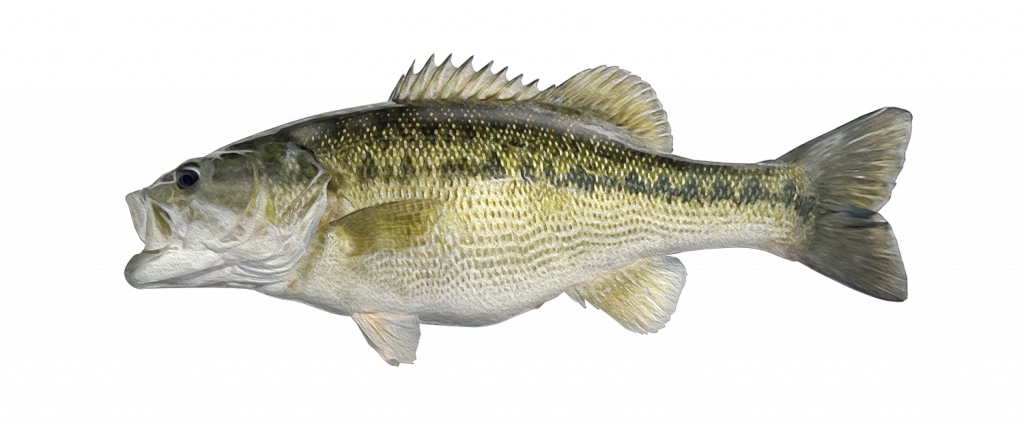
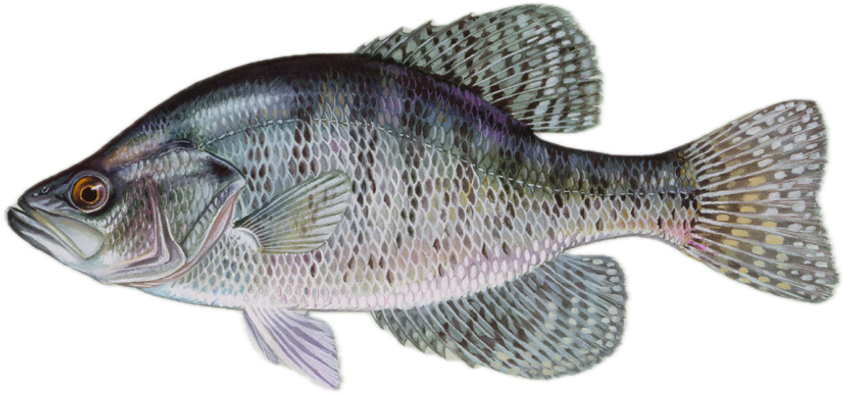
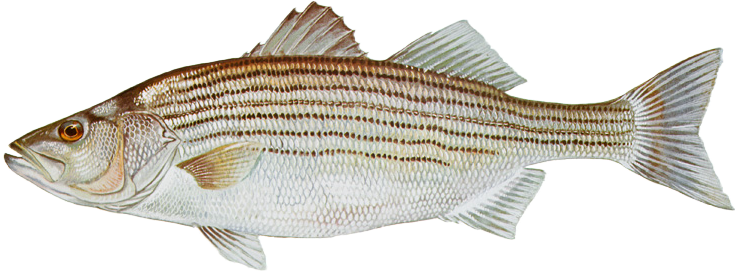
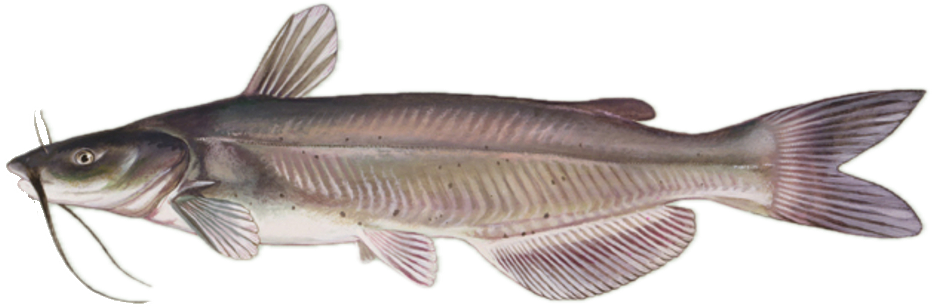
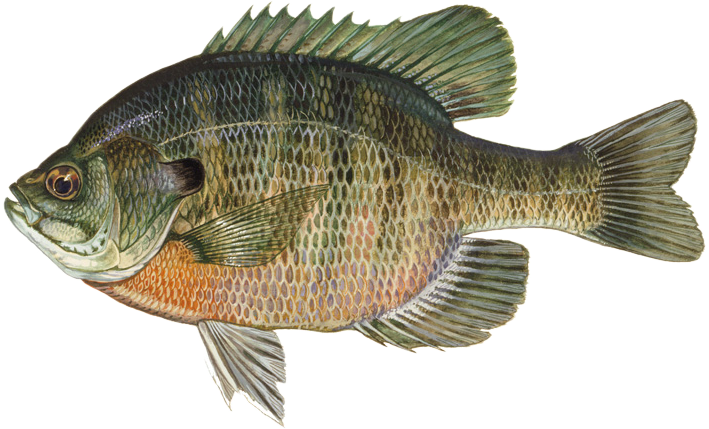
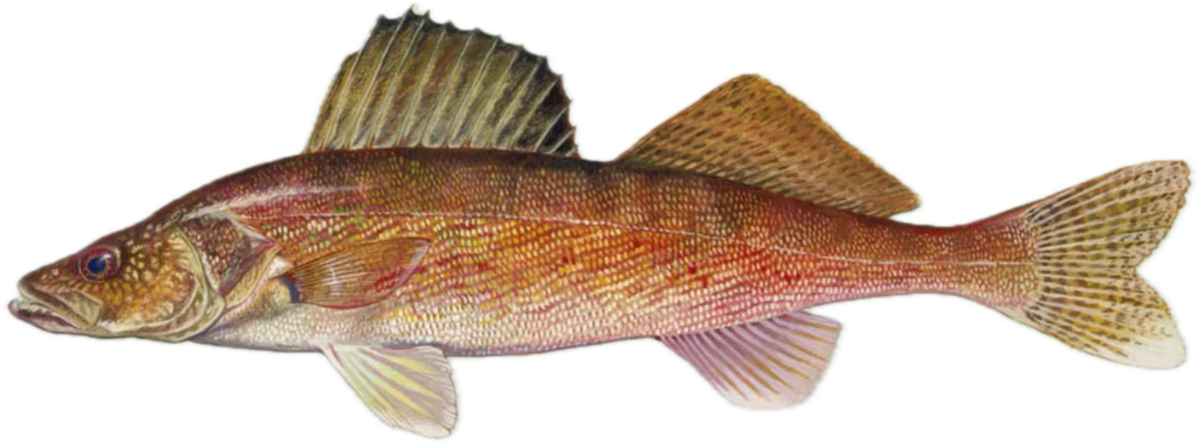
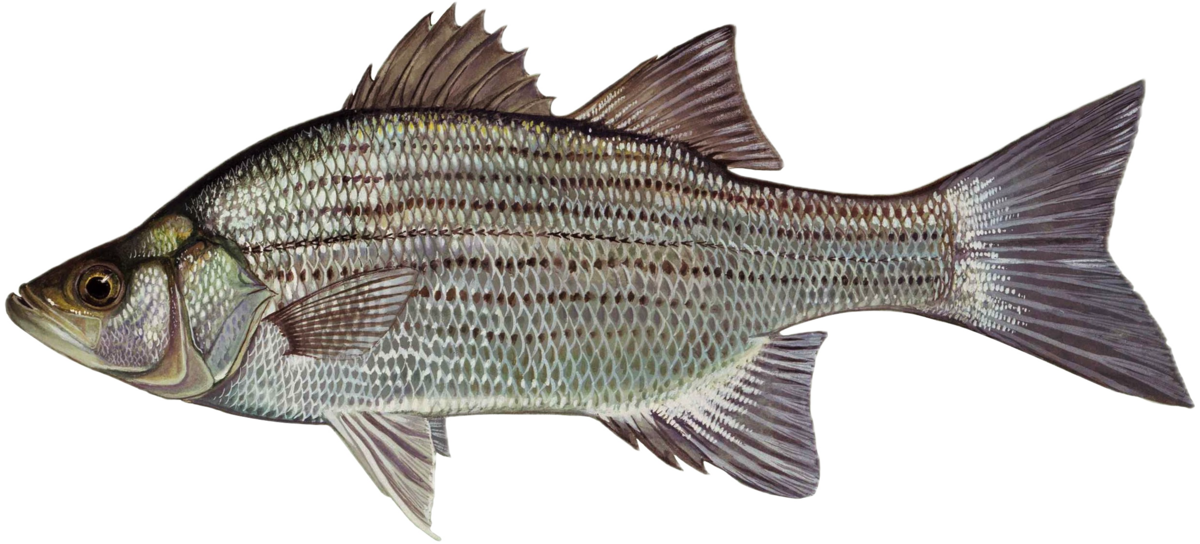
What to fish for, by month
Watts Bar's seasonal calendar is driven by water temperature, TVA generation, and pool stability. The table below is the high-level default. Each species page has the detailed seasonal model with citations.
| Month | Water temp | Top species | Where to start |
|---|---|---|---|
| January | 40–48°F | Smallmouth Bass, Striped Bass, Catfish (Blue, Channel, Flathead) | Lower lake, dam wall, deep mid-lake points, Fort Loudoun tailwater |
| February | 42–52°F | Smallmouth Bass, Largemouth Bass, Crappie | Steep banks, deep points, staging brush in big creeks |
| March | 50–60°F | Smallmouth Bass, Largemouth Bass, Crappie | Rocky primary points, secondary points, big creek channel swings |
| April | 58–68°F | Largemouth Bass, Crappie, Smallmouth Bass | Creek backs, shallow cover, docks, gravel/shell beds |
| May | 65–75°F | Largemouth Bass, Smallmouth Bass, Bluegill & Shellcracker (Redear) | Shad-spawn banks, grass edges, isolated milfoil/hydrilla |
| June | 72–80°F | Largemouth Bass, Striped Bass, Catfish (Blue, Channel, Flathead) | Dam wall when generating, docks/brush when not, river-channel drifts for cats |
| July | 78–86°F | Largemouth Bass, Bluegill & Shellcracker (Redear), Striped Bass | Dawn shad-spawn, daytime shade, tributary refuge for stripers, night fishing |
| August | 80–86°F | Catfish (Blue, Channel, Flathead), Largemouth Bass, Crappie | Main-river drifts, night docks and bluffs, deep brush |
| September | 72–80°F | Largemouth Bass, white bass, Crappie | Backs of creeks, grass edges, bait migrations |
| October | 62–72°F | Largemouth Bass, Smallmouth Bass, Striped Bass | Main-channel grass bends, rocky points, Rockwood/White's Creek for stripers |
| November | 52–62°F | Smallmouth Bass, Largemouth Bass, Striped Bass | Wind-blown rocky points with deep access, lower lake |
| December | 42–52°F | Smallmouth Bass, Striped Bass, Catfish (Blue, Channel, Flathead) | Lower lake, tailwater, deep mid-lake structure |
What current does to the bite
TVA runs the entire system as a whole, and Watts Bar's release schedule updates throughout the day. Public tournament accounts repeatedly say current is the key variable on this lake.
| Flow condition | Fish behavior | What to fish |
|---|---|---|
| No current | Fish suspend, scatter, or lock to shade and cover | Docks, brush, isolated grass, deeper shade; vertical crappie presentations |
| Light current | Subtle edges, point noses, channel-swing structure | Point tips, channel swings, dam corners, river-channel drifts |
| Heavy generation | Fish pin to current breaks, walls, eddies, first cover on the seam | Dam wall, riprap, ledges, bluff ends; live bait, drift, swimbait, drop-shot |
Boat ramps and basing
Top public ramps for tournament-style launching: Tom Fuller Park (Rockwood, heavy use), Spring City Boat Ramp, Kingston City Park, and TVA Lakeshore Park in Harriman. Best service marinas for fuel and tournament basing: Blue Springs Marina (mid-lake), Spring City Resort & Marina (lower lake), and Long Island Marina (Kingston). All marinas →
Fish-consumption advisories
Sources
- TWRA: Watts Bar Reservoir profile (regulations, stocking, species)
- TVA: Watts Bar levels and generation
- TVA: how water levels are managed
- TVA: reservoir health rating for Watts Bar
- Striped bass thermal/oxygen refuge research (TAFS)
- Major League Fishing (tournament patterns)
- Bassmaster: Watts Bar springtime largemouth and smallmouth
For public boat ramps suited to tournament-style launching, see bass fishing ramps on Watts Bar. Shore anglers should check fishing from shore on Watts Bar Lake. Licensing details are at Tennessee fishing license guide.
Frequently Asked Questions
What fish are in Watts Bar Lake?
The main species are largemouth bass, smallmouth bass, spotted bass, crappie (black and white), striped bass, catfish (blue, channel, flathead), and bluegill and shellcracker. The TWRA reservoir profile lists additional sunfish and rough fish. Each species has its own page accessible from the cards above.
Do I need a fishing license to fish Watts Bar Lake?
Yes. Anyone 13 or older fishing Tennessee waters needs a valid TWRA fishing license. A one-day license is available for $1. Annual licenses are available online at tn.gov/twra/license-permits and at most bait shops. See the fishing license guide for details.
What's the best time of year to fish Watts Bar Lake?
Spring (March through May) is the most active season for largemouth, smallmouth, and crappie. Stripers move from Kingston upstream in spring. Fall (September through November) brings another strong bite as shad concentrate. Current conditions matter year-round: TVA generation turns the bite on and off more than the calendar does.
What effect does TVA generation have on the fishing?
Generation is the key variable on Watts Bar. Heavy current pins fish to current breaks, eddies, dam walls, and first cover on the seam. No current scatters fish and makes them harder to locate. Light current activates edge fishing at points and channel swings. Check the live generation status on the homepage before launching.