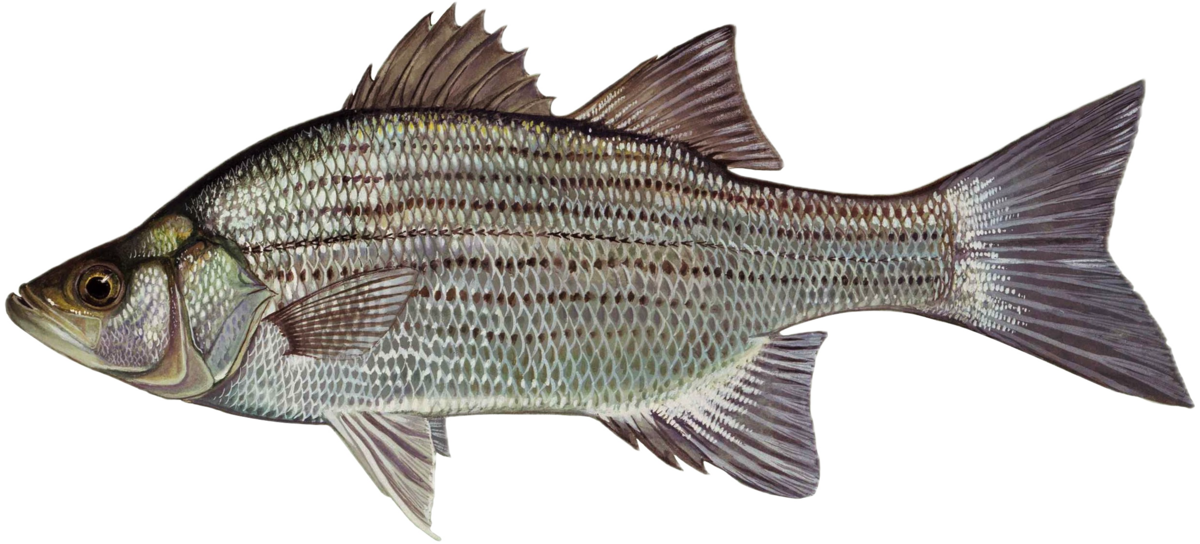
Spotted Bass on Watts Bar Lake
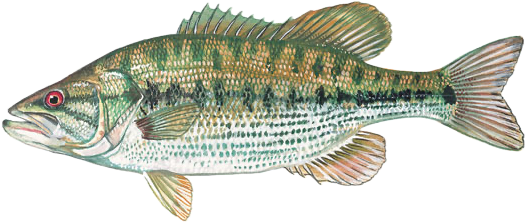
TWRA reports spotted-bass catch rates have declined to nearly non-existent in historically occupied areas. Best remaining opportunities are in upper tributary rock with clean water.
Biting now
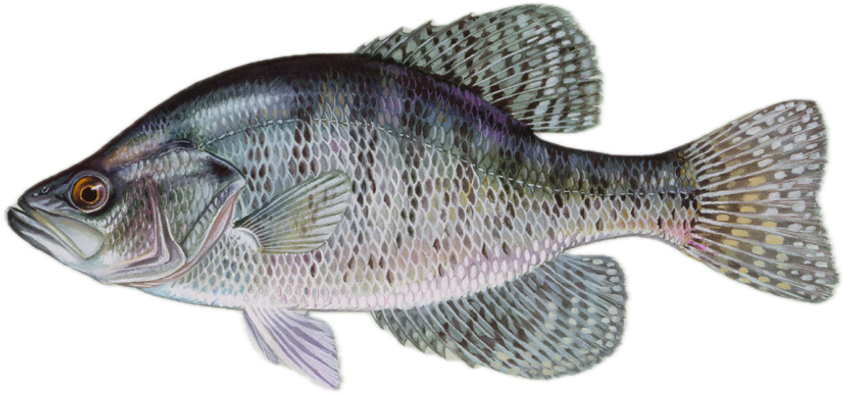
Largemouth Bass, white, Crappie
Best bet Backs of creeks, grass edges, bait migrations
Loading…
Updated 4:49 PM ET · Dock station at TRM 559.5Full live conditions →
Water, air, and wind from the dock sensor. Lake level, generation, and outflow from TVA telemetry. No forecasts.
Where they live
- Upper clean tributaries are the public-zone default.
- Rocky, clear-water habitat with finesse presentations.
- White's Creek is relevant because of Alabama bass concerns, not because it is the best spotted-bass destination.
If you had one day
- Only chase spots if you want a finesse / clear-water pattern.
- Run upper tributary rock, target the cleanest water available, and fish small.
- If you are not getting quick feedback, switch back to largemouth or smallmouth priorities.
Lure matrix
| Condition | Bait | Color |
|---|---|---|
| Clear water rock | Shaky head, Ned rig, drop-shot | Green pumpkin, smoke, watermelon |
| Schooling small bait | Small swimbait, underspin, jerkbait | Natural shad |
| Tough bite | Downsize everything | Natural, low-flash tones |
Identification and biology
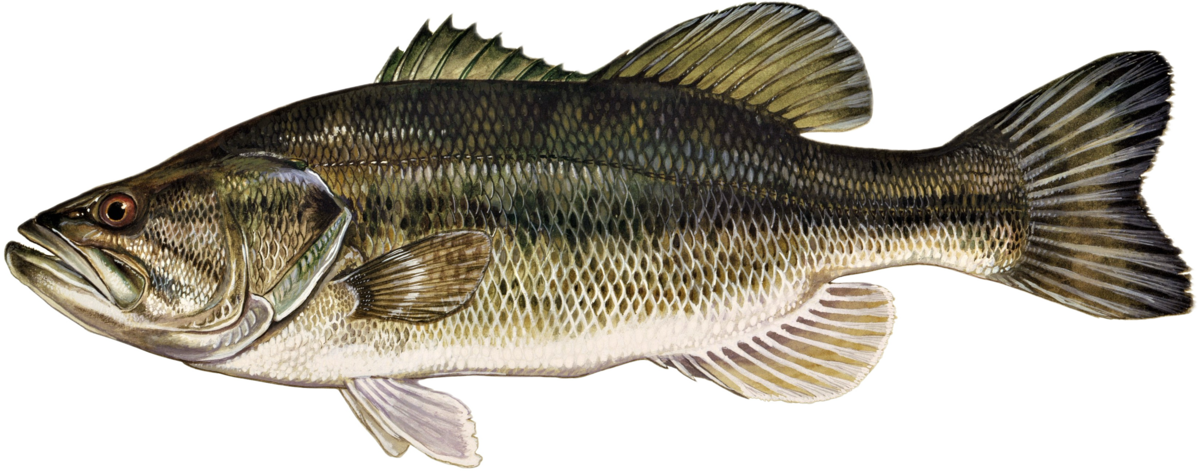
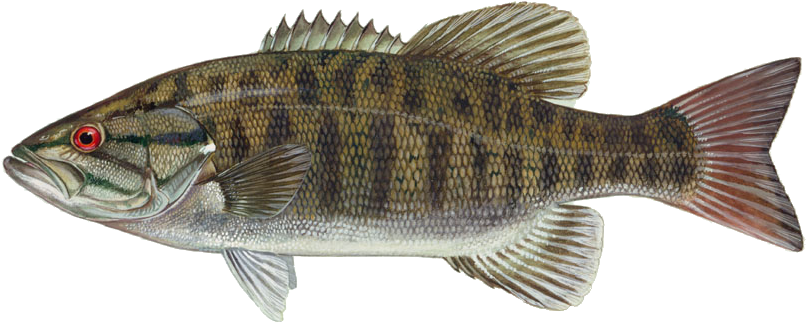
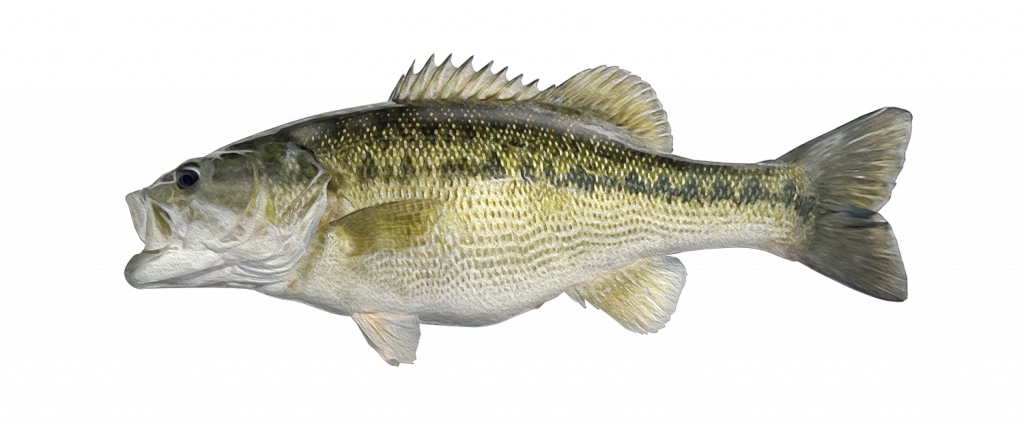
Micropterus punctulatus. Other names: Kentucky bass, Kentucky spotted bass, spot, lineside. The jaw stops at or before the back edge of the eye (same as smallmouth). Distinguishing from smallmouth requires looking at the body pattern: spotted bass have rows of small dark spots below the lateral line, forming horizontal lines; smallmouth have vertical bars or blotches.
Spotted bass prefer cool, slower streams and rivers, and rocky areas of larger reservoirs. Diet: crayfish, shad, aquatic insects. Average reservoir harvest: about 13 inches; range 8 to 18 inches.
Alabama bass concern. The Alabama bass (Micropterus henshalli), formerly considered a subspecies of the spotted bass, was recognized as a separate species by the American Fisheries Society in 2011. It was illegally stocked into the Parksville Lake / Ocoee River watershed and has since extended west toward the Tennessee River and Watts Bar Reservoir. Confirmed in Watts Bar's White's Creek embayment. Alabama bass grow larger than native spotted bass (commonly over 4.5 lbs; TN state record 7 lbs) and hybridize with both smallmouth and spotted bass, threatening both. Genetic testing is the only reliable way to distinguish Alabama bass from spotted bass.
Records and recognition
- Tennessee state record (spotted bass): 6 lbs 1 oz.
- Tennessee state record (Alabama bass): 7 lbs (introduced species).
- TARP qualifying length (spotted): 18 inches.
- Watts Bar minimum length: 15 inches. Daily creel: 5 black bass combined. Alabama bass count toward the same 5-bass black-bass creel.
- If you can't tell whether you're holding a spotted or Alabama bass, follow the more restrictive smallmouth size limit to stay legal.
Live conditions
Today's water temperature, dam generation status, weather, and wind are on the homepage, measured every minute at Tennessee River Mile 559.5. Use those to time the trip. Bass spawn windows are temperature-driven, current-bite patterns are generation-driven, and clarity changes after storm runoff.
Frequently Asked Questions
When is the best time of year for spotted bass on Watts Bar Lake?
Spring, when water is in the 60s and spotted bass stage on rocky points and clean-water tributaries. Catch rates across the lake are low and declining; this is a finesse pursuit rather than a reliable primary target.
What gear works for spotted bass on Watts Bar?
Finesse presentations: shaky head, Ned rig, drop-shot, and small swimbaits in natural shad colors. Focus on the cleanest water available in the upper tributaries. If you are not getting feedback within the first 30 minutes, switch to largemouth or smallmouth.
More species