Smallmouth Bass on Watts Bar Lake
TWRA says the mid-to-lower lake offers the best smallmouth water. The Fort Loudoun tailwater is the year-round special case. Spawn happens March through April around 59 to 60°F. KVD called Watts Bar a highland-reservoir-feel lake.
Biting now
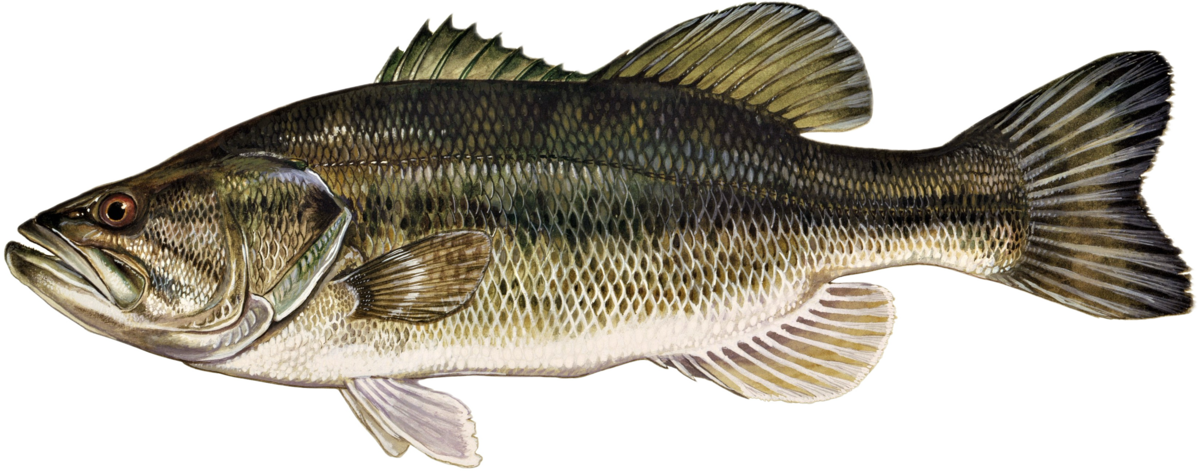
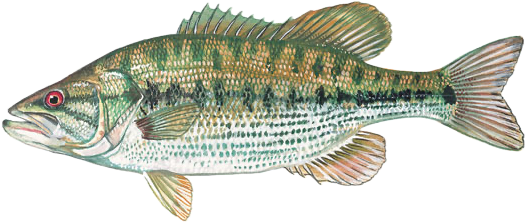
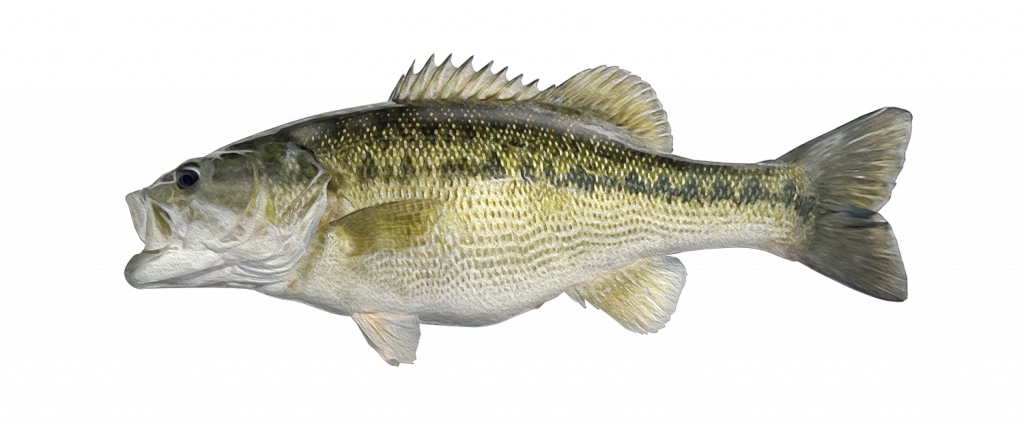
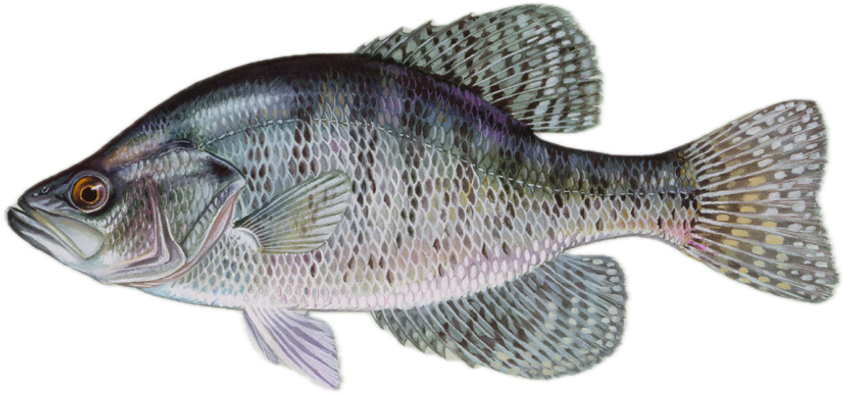
Largemouth Bass, white, Crappie
Best bet Backs of creeks, grass edges, bait migrations
Loading…
Updated 4:48 PM ET · Dock station at TRM 559.5Full live conditions →
Water, air, and wind from the dock sensor. Lake level, generation, and outflow from TVA telemetry. No forecasts.
Where they live by season
| Season | Depth | Where |
|---|---|---|
| Winter | 15–35 ft | Steep banks, deep points, ledges, tailwater |
| Pre-spawn | 6–15 ft | Rocky primary/secondary points, flats next to deep water |
| Spawn (59–60°F) | 3–10 ft | Gravel/rock flats, protected point pockets |
| Post-spawn | 8–20 ft | Humps, ledges, long rocky points |
| Summer | 10–25+ ft | Dam current areas, deep rocky banks, humps, points |
| Fall | 6–18 ft | Rocky points with deep access, schooling shad on rock |
Watts Bar–specific patterns
- Prioritize lower and mid-lake rock over shallow creek-bank cover when targeting smallmouth.
- Fort Loudoun tailwater is a year-round special case, especially when current moves shad.
- Long Creek and other main-lake point systems are public prespawn references; see MLF's 2022 coverage.
- June 2022 tournament coverage included strong dam-wall and current patterns for mixed black bass. See Salzman's pattern breakdown.
If you had one day
- Start low to mid lake on a rocky primary point with deep water access.
- If TVA is moving water, get to Fort Loudoun tailwater or a current-affected lower-lake wall.
- Begin with a jerkbait or finesse swimbait. Slow down to a jig or drop-shot once the school stops roaming.
- On calm bright days, fish the deeper half of the structure, not the tip.
Lure matrix
| Condition | Bait | Color |
|---|---|---|
| <50°F | Float-n-fly, hair jig, finesse swimbait | Natural gray, smoke, subtle blue |
| 50–60°F | Jerkbait, crankbait, jig | Ghost shad, translucent minnow |
| 60–70°F | Tube, Ned, finesse jig, small swimbait | Green pumpkin, brown/orange |
| Summer current | Small swimbait, drop-shot, jig, live bait | Shad, smoke |
| Post-frontal bluebird | Slower, deeper edge of rock transitions | Natural |
Identification and biology
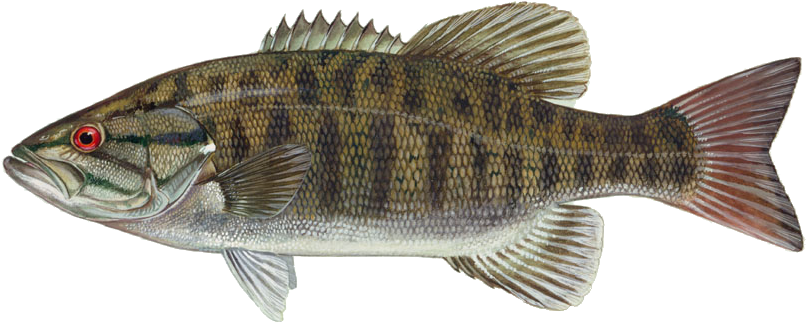
Micropterus dolomieu. Other names: bronzeback, smallie, brown bass, brownie. The defining ID feature is the upper jaw, which stops at or before the back edge of the eye when the mouth is closed. (Largemouth jaws extend past the eye.) Body is brown to bronze with vertical bars or blotches; coloration ranges from golden olive in clear water to dark brown in stained water and varies by population.
Smallmouth prefer clearer, cooler water than other black bass: rocky, gravel-rubble bottoms, fast-flowing streams with riffles and pools, and the rocky areas of large reservoirs. They tolerate up to about 90 °F in summer but thrive cooler. Spawn begins at 60 to 65 °F, earlier than other black bass.
Diet: sunfish, shad, shiners, suckers, tadpoles, and crayfish, plus the nymphs of dragonflies, damselflies, stoneflies, mayflies, and dobsonflies (hellgrammites). Average TN reservoir harvest: 14 to 18 inches; range 8 to 22 inches.
The smallmouth bass is the official Tennessee state sport fish (designated 2005).
Records and recognition
- Tennessee state record: 11 lbs 15 oz (D.L. Hayes, Dale Hollow Lake, July 9 1955). This is also the world record. Tennessee holds the world smallmouth bass record.
- TARP qualifying length: 20 inches.
- Watts Bar minimum length: 15 inches. Daily creel: 5 black bass combined.
Live conditions
Today's water temperature, dam generation status, weather, and wind are on the homepage, measured every minute at Tennessee River Mile 559.5. Use those to time the trip. Bass spawn windows are temperature-driven, current-bite patterns are generation-driven, and clarity changes after storm runoff.
Frequently Asked Questions
When is the best time of year for smallmouth on Watts Bar Lake?
Prespawn (late February through March) when water approaches 55°F on lower-lake rock. The spawn window runs roughly late March through April at 59 to 60°F. Post-spawn fish suspend on humps and ledges through May. Fall is the second-best season as smallmouth chase shad on rocky points. Summer is challenging; fish move deep or into tailwater current.
What gear works for smallmouth on Watts Bar?
Jerkbaits and crankbaits for prespawn rock. Tubes and Ned rigs during and after spawn. Small swimbaits and drop-shots in summer deep water. Float-n-fly or hair jig in cold water below 50°F, especially in the Fort Loudoun tailwater.
More species