What to bring for a day at Watts Bar Lake
Watts Bar runs hot and humid in summer with afternoon thunderstorms, gets choppy in the wind, and has sun exposure that catches first-timers off-guard. Here's the short list of what to pack and why, ordered roughly by how much you'll regret forgetting it.
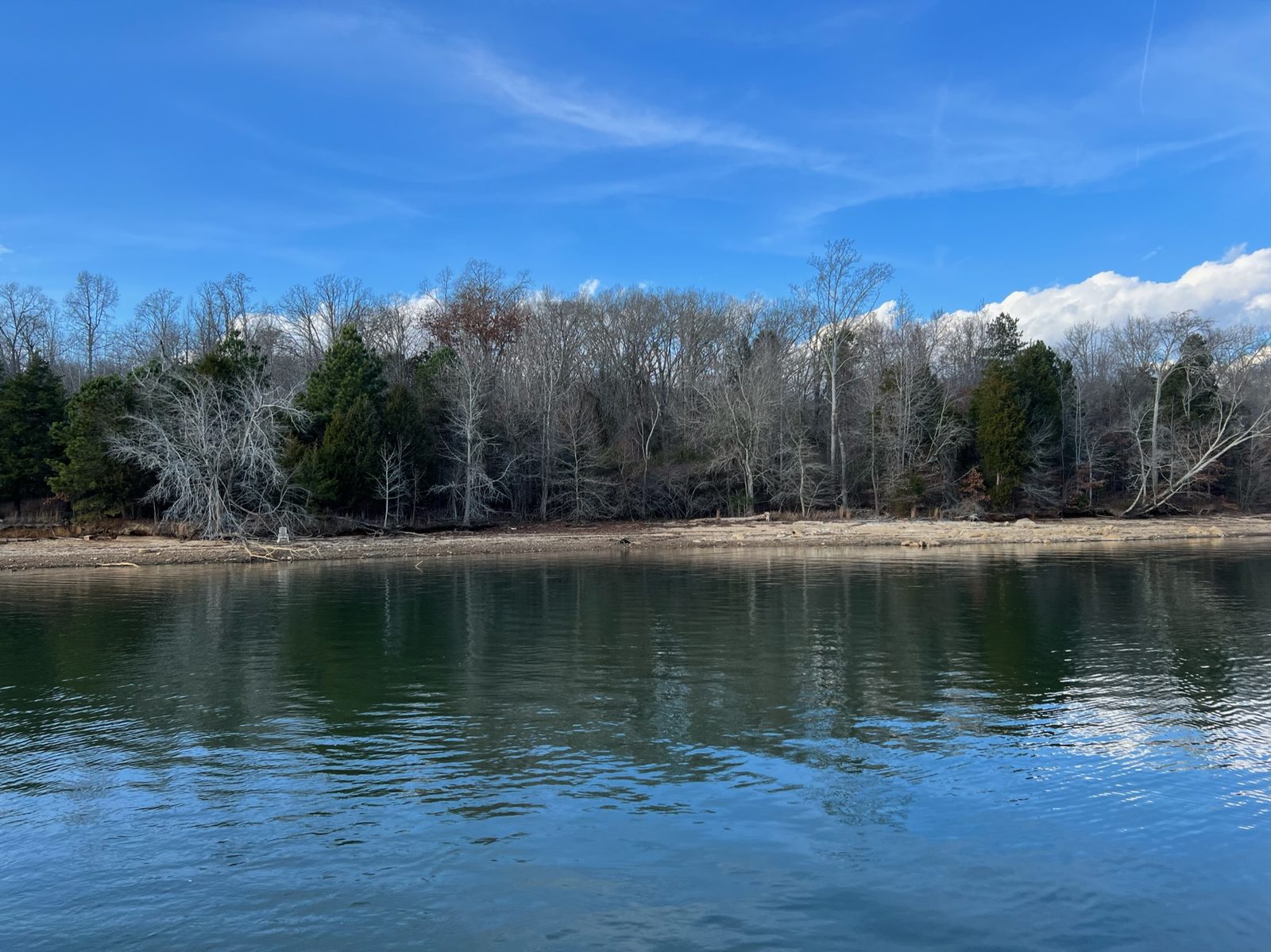
Essentials (don't leave the truck without these)
- Water. A gallon per person per day if it's above 80°F. The lake is freshwater but you can't drink it. Marinas have water but bottle availability varies; bring more than you think you need.
- Sunscreen. SPF 30 minimum, reapply every 2 hours. The lake reflects 80% of UV up at you. UV index right now is 0.0. Anything above 7 is burns-in-30-minutes territory.
- USCG-approved life jacket per person. Tennessee law requires a wearable Type I/II/III/V PFD per person on every boat, and kids under 13 must wear one any time the boat is moving. TWRA boating safety reference.
- Phone with offline maps loaded. Cell service is reliable on most of the lake but drops in coves on the Clinch and Emory arms. Pre-load Google Maps or Navionics for the area. If you're the captain, pin your launch ramp before leaving so you can find your way back.
- A way to dock and a way to anchor. Lines, fenders, an anchor with enough rode for the depth you'll be in. Watts Bar runs 30–60 ft deep in the main channel; coves are typically 10–20 ft.
Strongly recommended
- Hat with a brim and polarized sunglasses. Glare off the water gets brutal between 11 and 3.
- Insulated cooler with ice. Marinas sell ice but a 12 lb bag refills fast in 95°F heat. Marina restaurants and food trucks are listed on the eat page if you want to do a dock-and-dine instead of packing food.
- Towels. Cheaper than asking the marina. One per person.
- Water shoes / closed-toe sandals. Public swim beaches have shells, sticks, and the occasional zebra mussel.
- Dry bag or zip-top bag for phones, wallets, keys. Even on calm days, splash happens. A floating waterproof case is even better.
- First-aid kit with antihistamines and aloe. Yellow jackets, hornets, and the occasional jellyfish-like reaction to lake algae. Aloe for the inevitable sunburn miscalculation.
- Trash bag. Whatever you bring, take with you. Public ramps don't always have dumpsters; marinas do.
If you're fishing
- TWRA fishing license. Required for anyone 13+ who's actively fishing. Buy online at tn.gov/twra/license-permits; the $1 day license is a real thing if you're just trying it.
- Tackle for the species you're after. The fishing page has month-by-month patterns by species (bass, crappie, striper, bluegill, catfish) and a live "what's biting now" callout based on current water temperature.
- Rod, reel, line, hooks, lures, pliers, line clippers, towel. Don't forget the towel.
- Live well or stringer. If you're keeping fish, know the size and creel limits; TWRA's regulations change by species and reservoir.
If you're swimming
- Towels and a change of clothes. Wet seats are annoying.
- Swim shoes. See above re: shells.
- Pool float, tube, or noodle. The lake bottom drops off fast in some coves; a float keeps non-swimmers safer.
- Watch the water-temperature callout on the swim page before you go. May and early June can still be in the low 70s, which is bracing if you weren't expecting it. Late June through September is reliably 80°F+.
If you're staying overnight
- Bug spray with DEET or picaridin. Mosquitoes get bad after sunset, especially in the Clinch and Emory arms.
- Headlamp or flashlight. Marina docks are lit; campground sites are not.
- Layers for the morning. Even in summer, dawn temps can drop into the 60s.
- Reservation confirmation. TVA campgrounds (Hornsby Hollow, Fooshee Pass, Riley Creek) and the parks listed on the parks page typically require reservations in season.
Things people forget
- Cash. Some smaller marinas and bait shops are cash-only or charge a card-fee surcharge.
- Phone charger or power bank. Maps + photos + GPS-tracking apps eat battery fast.
- Bluetooth speaker if you're the music-on-the-water type. Rule of thumb: if you can hear them, they can hear you. Be considerate near anchored swimmers.
- Spare boat keys. Marinas don't usually have a master.
- Knowing where you're launching from. The boat ramps page lists every public ramp with addresses, parking, and trailer notes. Don't show up at Tom Fuller on a tournament Saturday and expect to find a parking spot.
Watch the conditions before you go
Watts Bar's a long, narrow lake with only two road bridges, so weather doesn't affect every stretch the same way. The live homepage shows current wind, gusts, water temperature, and reservoir elevation. The 10-day forecast and active weather alerts are right next to it. Things to glance at before launching:
- Wind: anything sustained above 12 mph gets choppy, especially in the broad Mid-Lake section. Above 20 mph, rethink the day.
- Lake elevation: winter draw-down (typically late October through March) can drop the lake to about 735 ft, which exposes mud flats and changes shorelines. Some shallow ramps get unusable below 738 ft.
- Generation status: when Watts Bar Dam is releasing, current near the dam picks up. The safety page covers the hazardous-waters zone and how to avoid it.
- Active alerts: small craft advisories, severe thunderstorm watches, and lake wind advisories appear at the top of the homepage when the National Weather Service issues them.
Got a packing-list suggestion or a hard-won lesson? Send a note. Additions are welcome.
Check the best-time-to-visit guide before booking your trip.
Frequently Asked Questions
What should I bring for a day at Watts Bar Lake?
The non-negotiables: water (a gallon per person per day in summer), sunscreen (SPF 30+, reapply every two hours), USCG-approved life jackets for every person on the boat, and a phone with offline maps loaded. Add a cooler, towels, water shoes, and a dry bag for phones and wallets. The complete list is on this page.
What time should I arrive at Watts Bar Lake on a summer weekend?
For public ramps, before 8 AM on summer Saturdays. Tom Fuller Park in Rockwood and Kingston City Park fill quickly on tournament weekends and holiday weekends. If you are not launching until mid-morning, expect a wait or a full lot. Midweek arrivals are far more relaxed.
Do I need a fishing license for a day on Watts Bar Lake?
Yes, for anyone 13 or older who fishes. Tennessee fishing licenses are available online at tn.gov/twra/license-permits. A $1 one-day license exists if you are just trying it out.
Do marinas on Watts Bar Lake sell ice and supplies?
Most full-service marinas have a ship store with ice, bait, beer, and basic boat supplies. Availability varies by marina and season. See the marina listings for what each carries.