Birds at the dock

October 3, 2026: 28 species identified by BirdNET listening through the dock's five microphones. American Crow led the day with 1 hour 52 minutes active.

Minutes active by hour

Each bar counts the 1-minute windows in which BirdNET identified a species at high confidence (its minutes active), bucketed by Eastern Time hour. The dawn chorus typically peaks between 6 and 8 a.m.

☀ SUNRISE 7:35 AMSUNSET ☾ 7:18 PM025507510012 AM4 AM8 AMNOON4 PM8 PM

Species heard
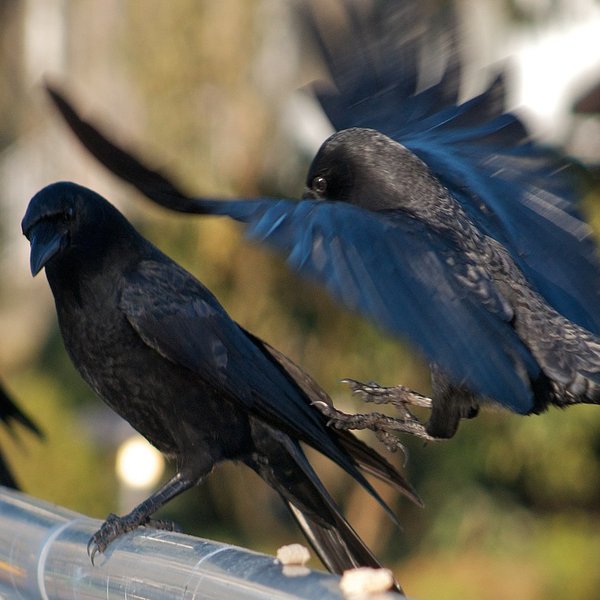
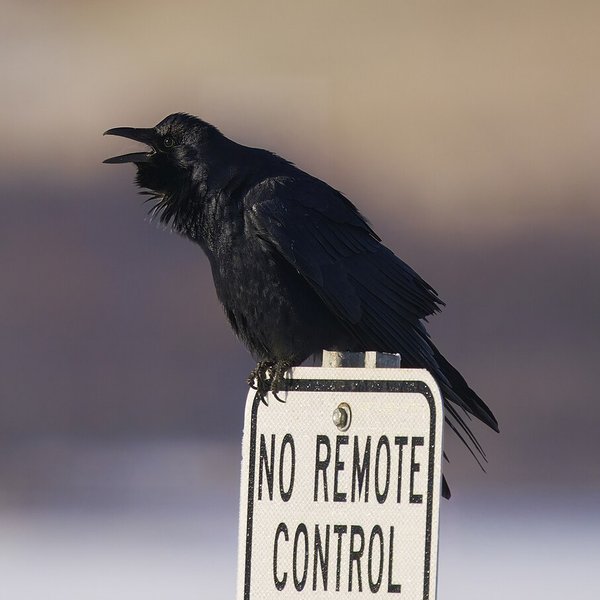
American Crow
1 hour 52 minutes active
American Crow
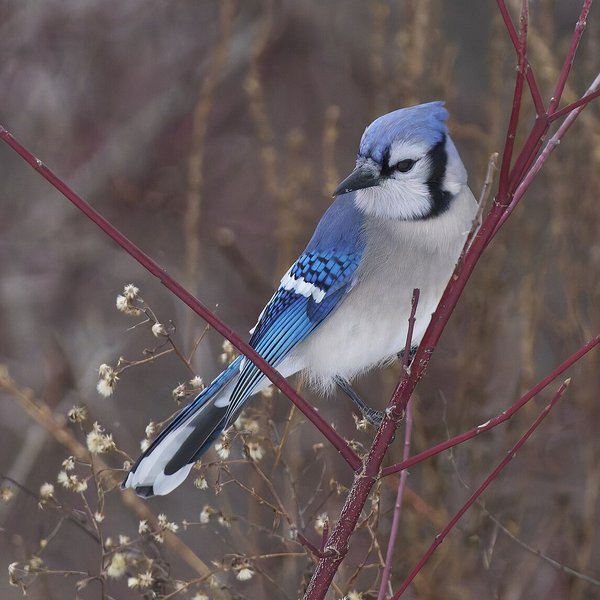
Blue Jay
1 hour 32 minutes active
Blue Jay
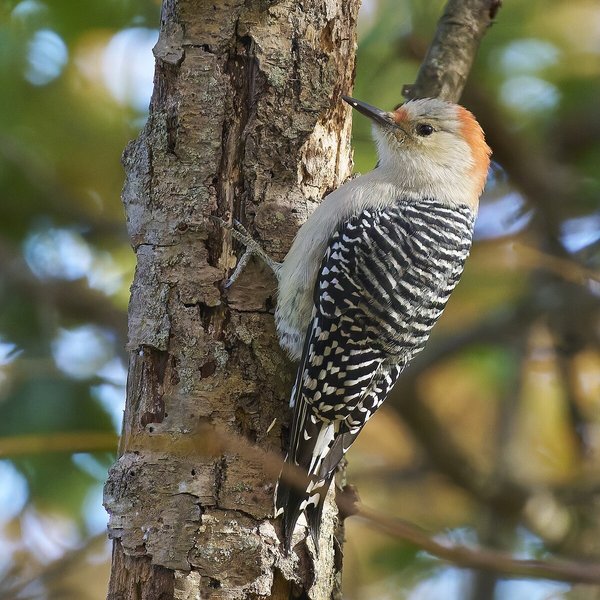
Red-bellied Woodpecker
1 hour 30 minutes active
Red-bellied Woodpecker
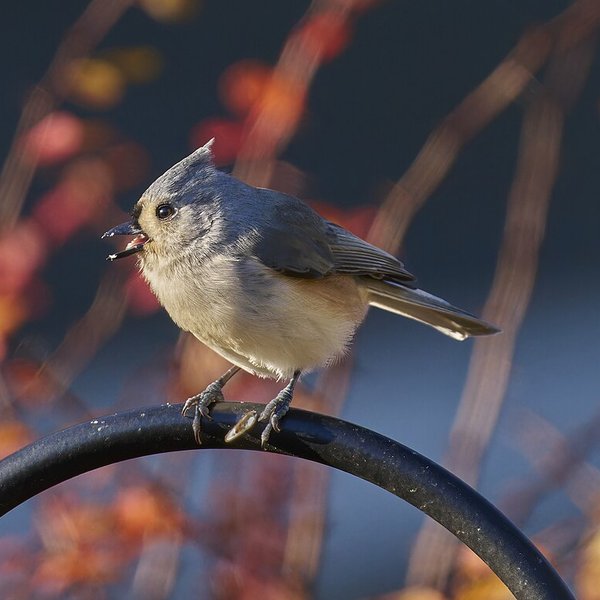
Tufted Titmouse
1 hour 22 minutes active
Tufted Titmouse
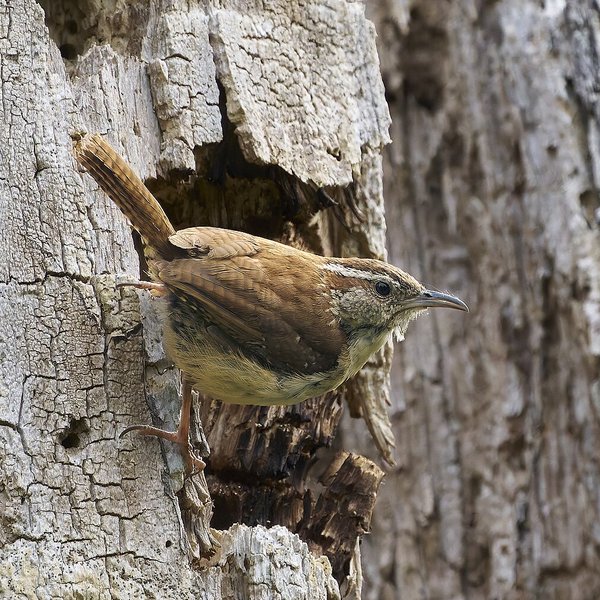
Carolina Wren
1 hour 20 minutes active
Carolina Wren
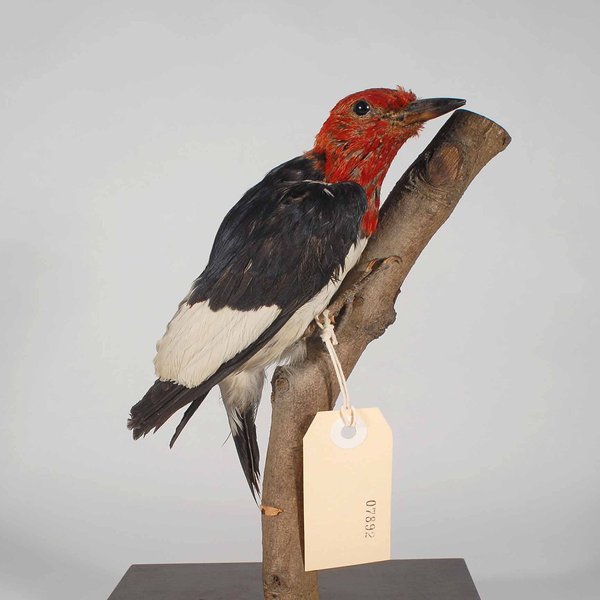
Red-headed Woodpecker
52 minutes active
Red-headed Woodpecker
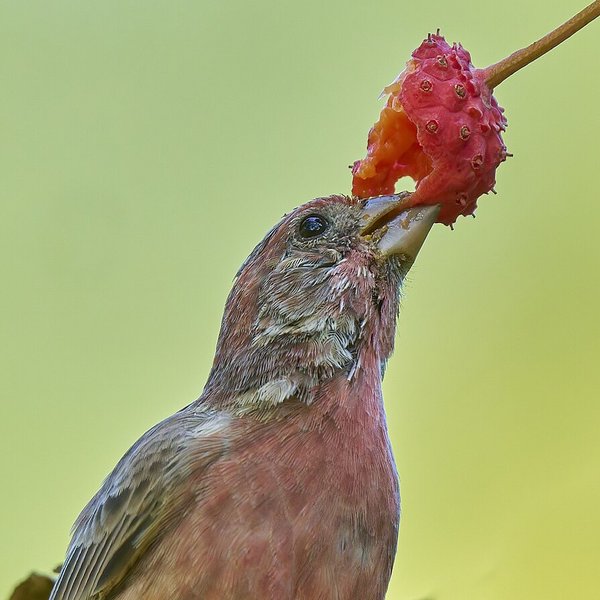
House Finch
48 minutes active
House Finch
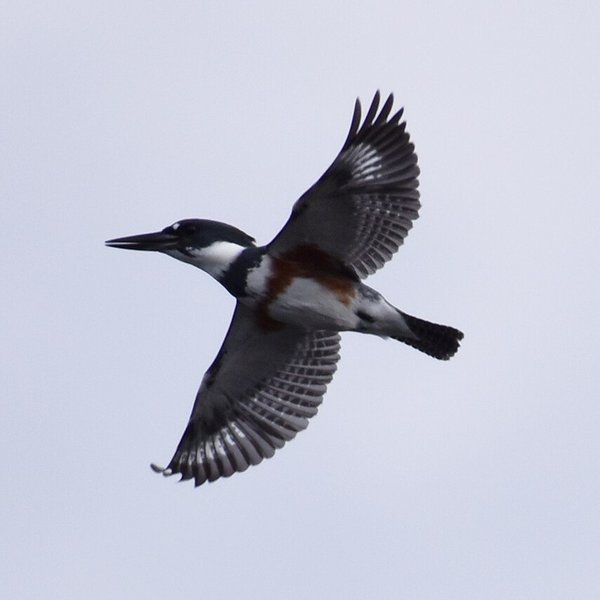
Belted Kingfisher
46 minutes active
Belted Kingfisher
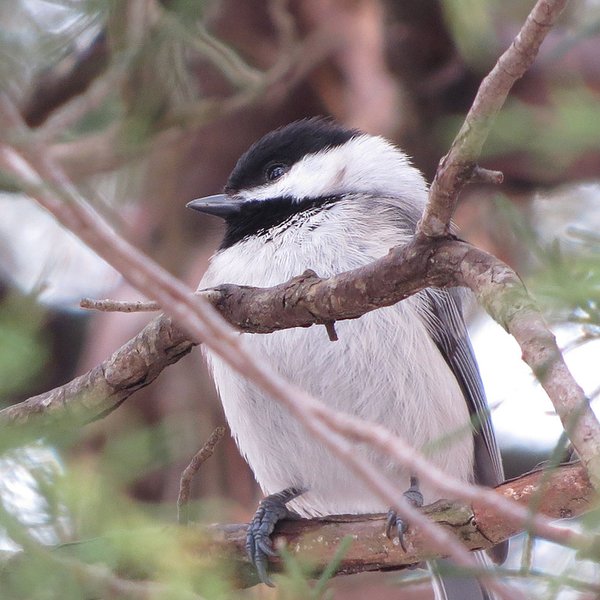
Carolina Chickadee
45 minutes active
Carolina Chickadee
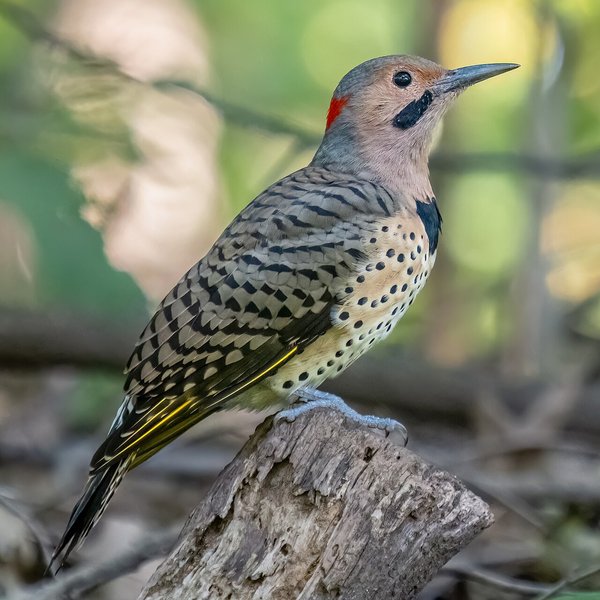
Northern Flicker
44 minutes active
Northern Flicker
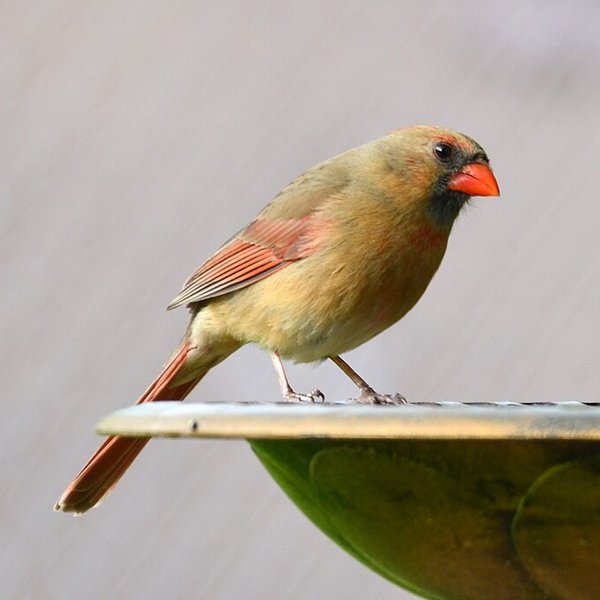
Northern Cardinal
41 minutes active
Northern Cardinal
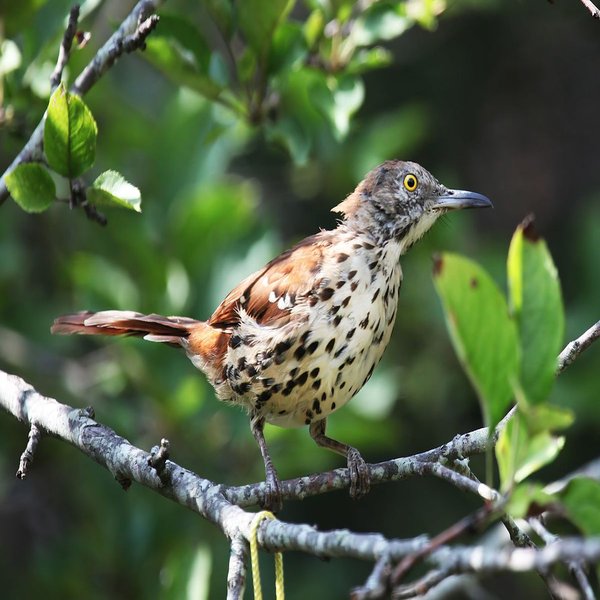
Brown Thrasher
33 minutes active
Brown Thrasher
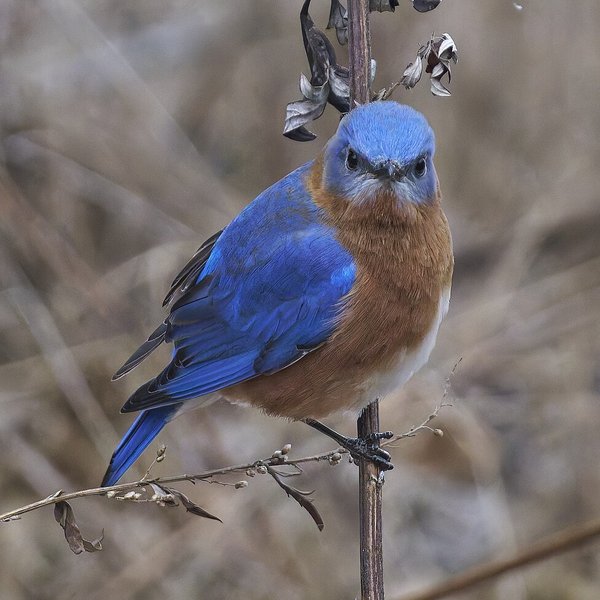
Eastern Bluebird
30 minutes active
Eastern Bluebird
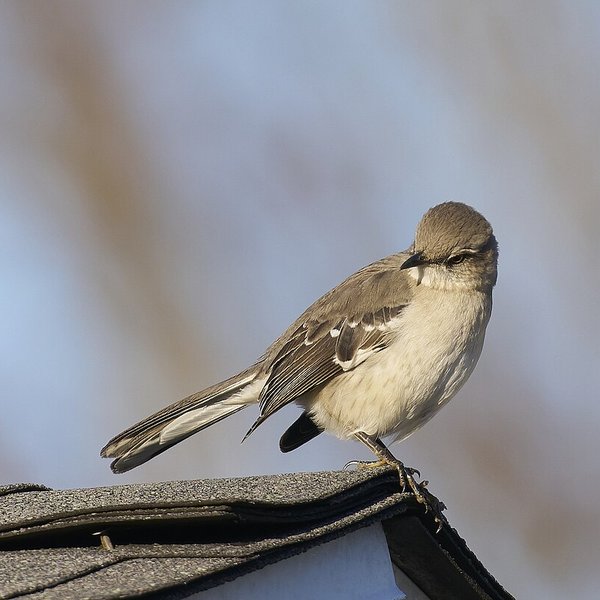
Northern Mockingbird
18 minutes active
Northern Mockingbird
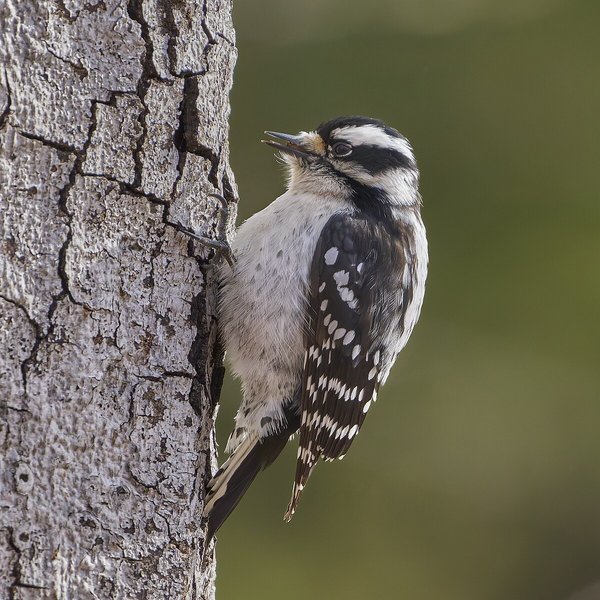
Downy Woodpecker
16 minutes active
Downy Woodpecker
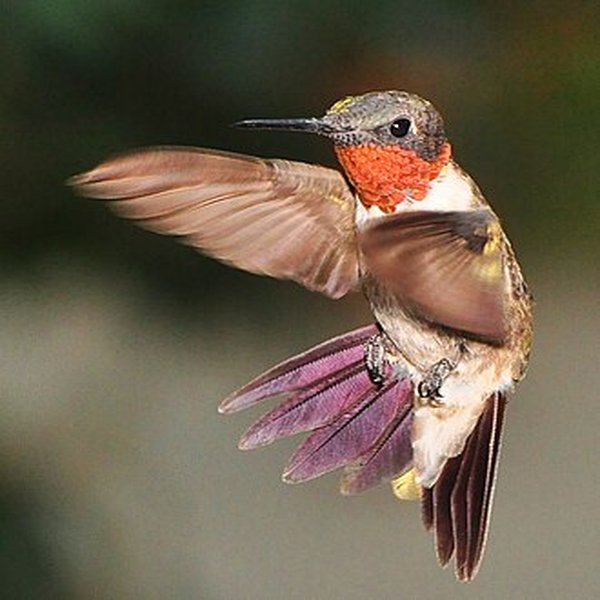
Ruby-throated Hummingbird
12 minutes active
Ruby-throated Hummingbird
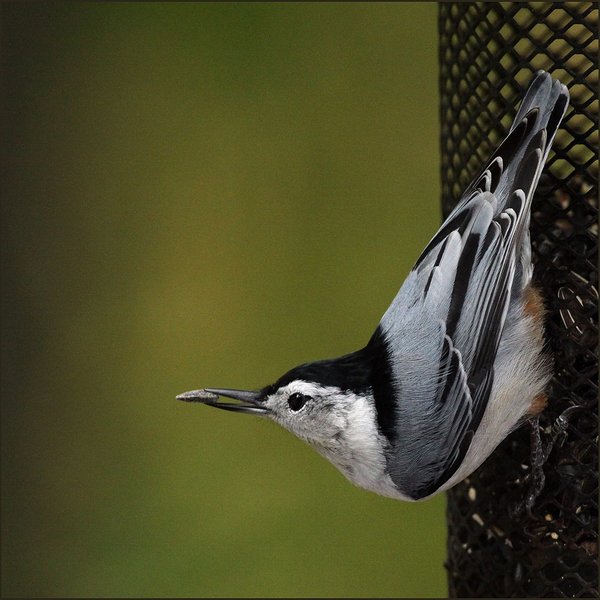
White-breasted Nuthatch
11 minutes active
White-breasted Nuthatch
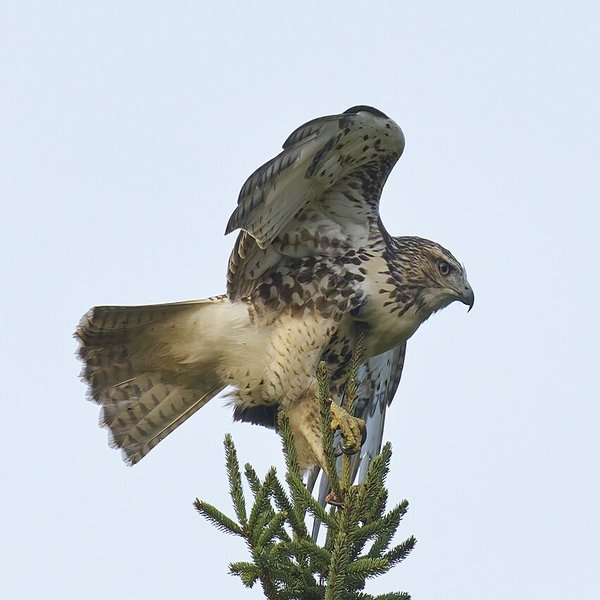
Red-tailed Hawk
9 minutes active
Red-tailed Hawk
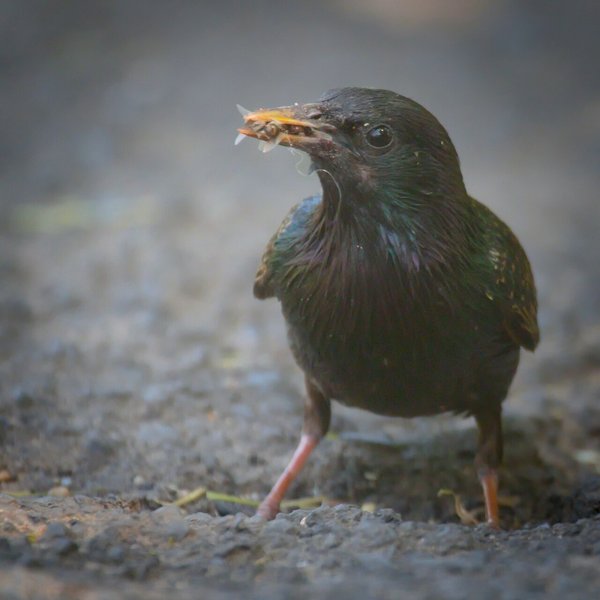
Common Starling
8 minutes active
Common Starling
Fish Crow
7 minutes active
Fish Crow
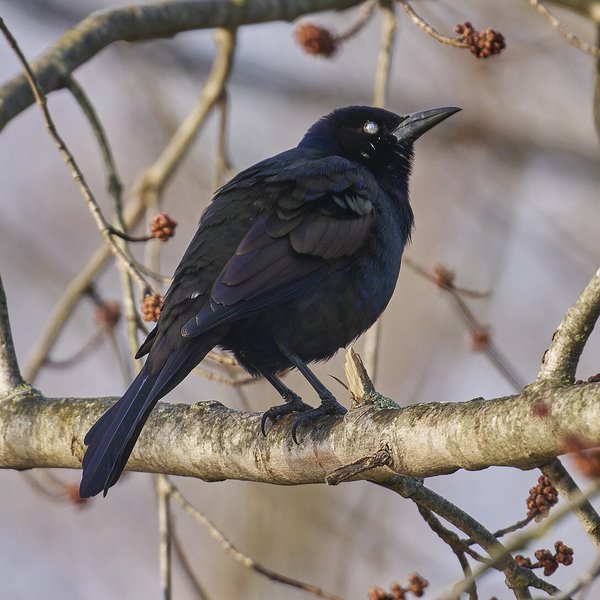
Common Grackle
6 minutes active
Common Grackle
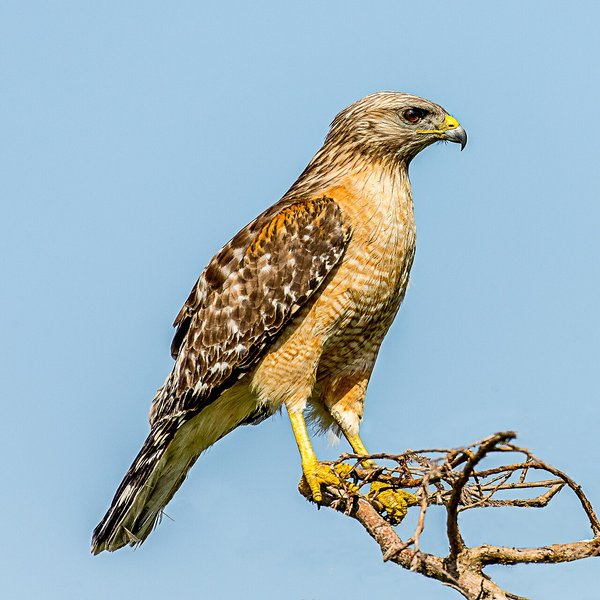
Red-shouldered Hawk
5 minutes active
Red-shouldered Hawk
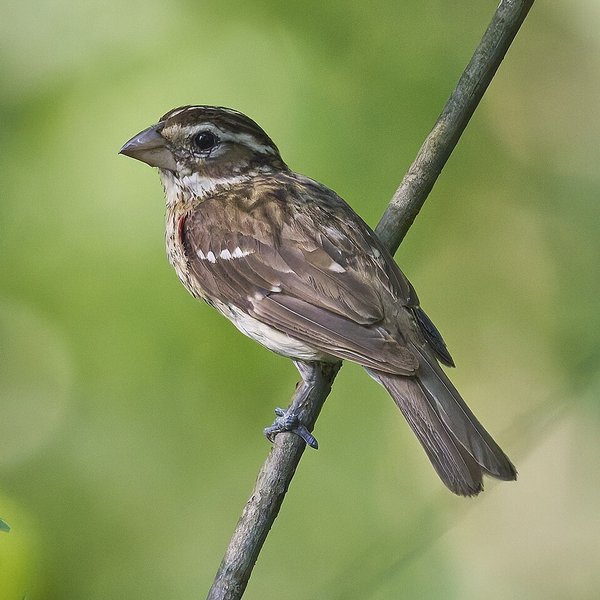
Rose-breasted Grosbeak
5 minutes active
Rose-breasted Grosbeak
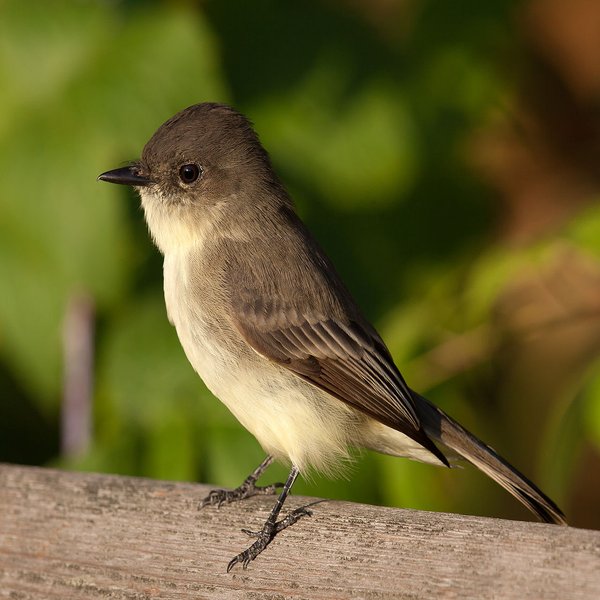
Eastern Phoebe
5 minutes active
Eastern Phoebe
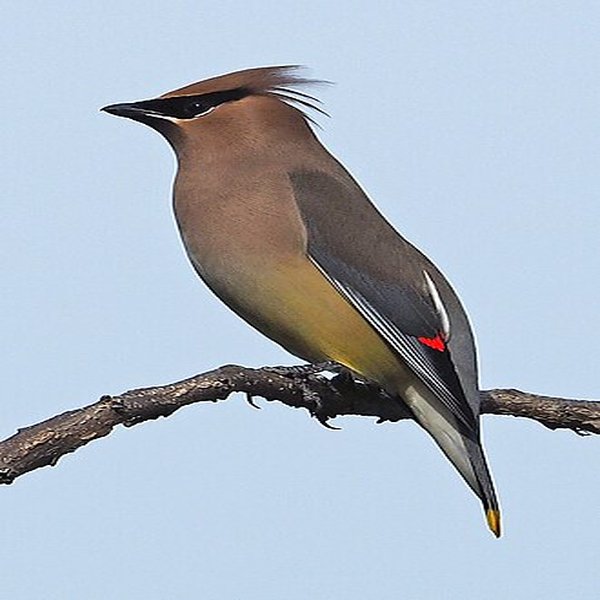
Cedar Waxwing
4 minutes active
Cedar Waxwing
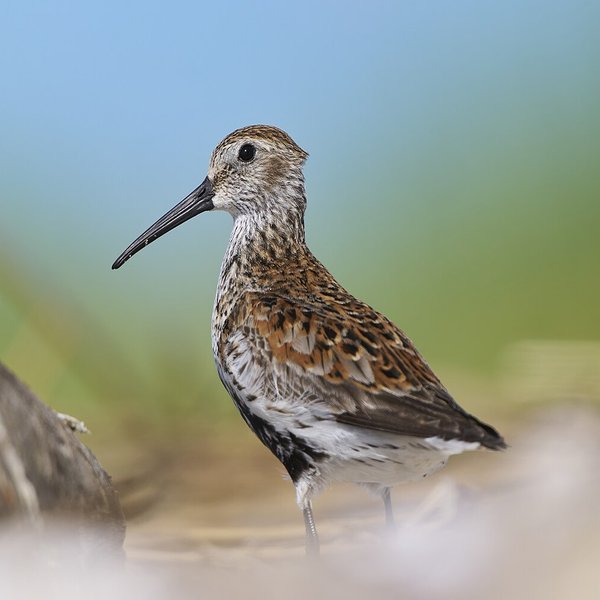
Dunlin
2 minutes active
Dunlin
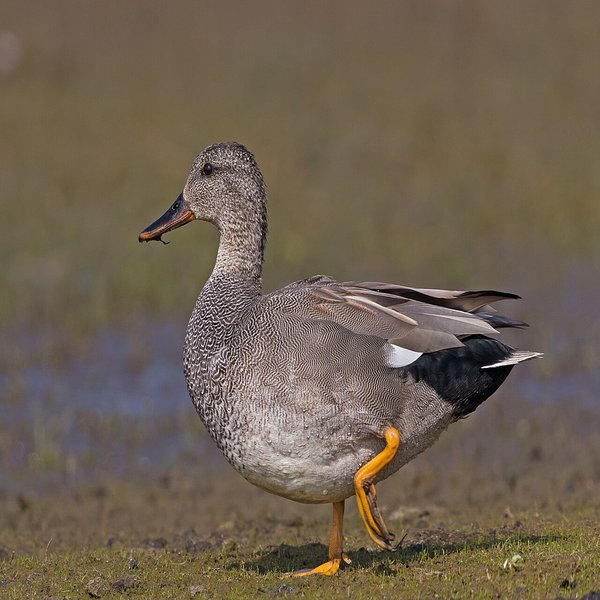
Gadwall
2 minutes active
Gadwall
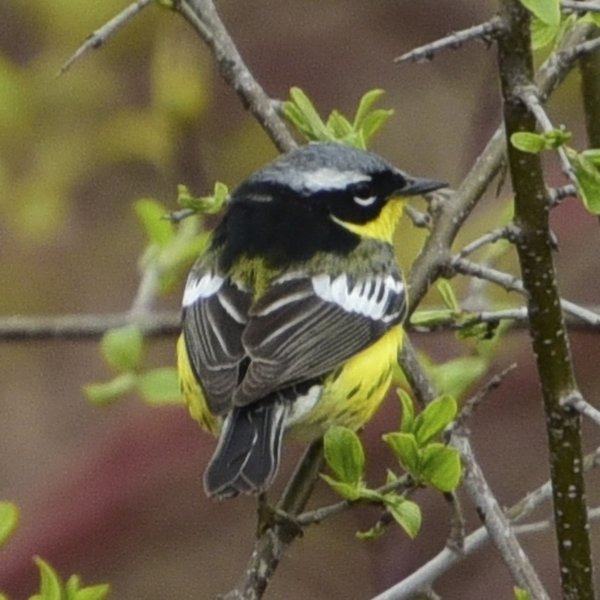
Magnolia Warbler
2 minutes active
Magnolia Warbler

How this works

Five microphones at the dock at Tennessee River Mile 559.5 listen to the lake 24/7. Audio runs through BirdNET from the Cornell Lab of Ornithology, an open-source neural network that identifies bird species by sound. Detections at high confidence are tallied here.

Bird photos are pulled automatically from Wikipedia and cropped to the bird with YOLOv8 object detection. Individual photo credits are on each species' Wikipedia page.