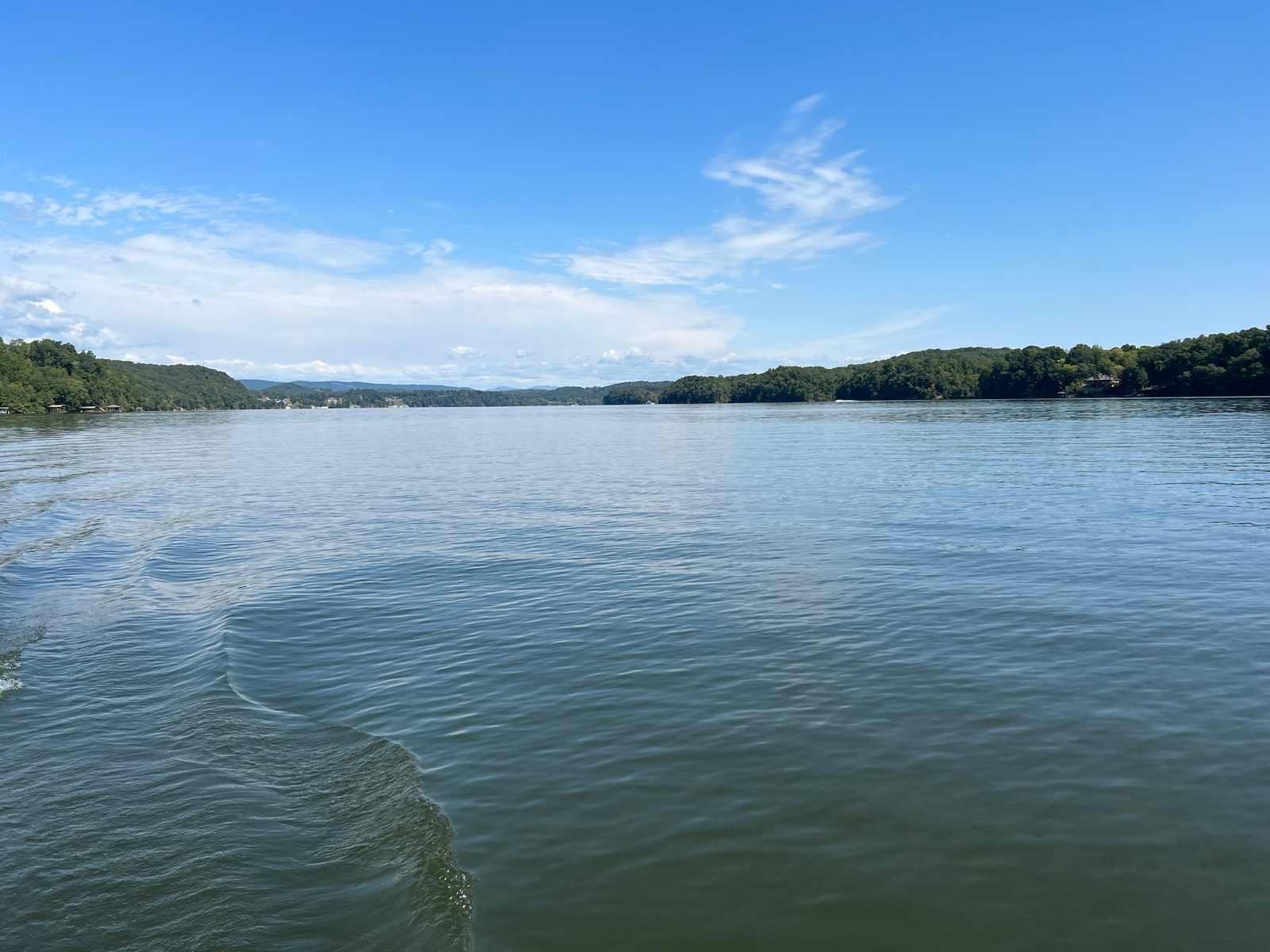
Short answer: Anchor near a dock in a creek arm. Bobbers and worms for bluegill, cut bait on the bottom for catfish. Three hours, bring snacks, plan to swim when the bite dies. The detail guides (linked at the bottom) cover technique.
Anchor near a brushy dock in a creek arm sheltered from wind.
Bobber + worm = bluegill. Cut bait on bottom = catfish. That's the whole plan.
Bring a TWRA license (anyone 13+, $1 for a day), life jackets for everyone, sunscreen, snacks.
Plan to swim when the bite dies. Don't try to force a four-hour trip.
The 3-hour plan
Anchor 20 to 30 feet off a brushy dock in a creek arm. Two anchors (bow and stern) keep you from drifting onto your own lines.
Set up two bobber rigs with worms for the kids; one bottom rig with cut bait, propped on the rail, for catfish.
Most strikes will be bluegill on the bobbers within ten minutes.
When the bluegill bite slows, swap one rig to a small jig with a minnow and drop it next to a dock post in 8 to 12 ft for crappie.
When that fades, pull anchor, swim, declare victory.
What you'll catch
Three species cooperate from a slow-moving pontoon with kids on board:
Bluegill are the perfect kid fish. Aggressive, abundant, hit a worm the moment it lands. TWRA describes the lake's bluegill population as more quantity than quality. Most will be hand-sized; kids don't care.
Channel catfish on a bottom rig with cut shad, a hot dog, or chicken liver. Prop the rod, wait. Watts Bar prohibits commercial fishing, so the catfish stay plentiful year-round.
Crappie on a vertical jig with a minnow next to dock posts in 8 to 14 ft. Best March-May, again in October. Patience required.
Skip on a kids trip: stripers, open-water bass, lower-lake smallmouth. Save those for the next solo trip. Background and seasonal patterns for each species: main fishing page.
Where to go
Pick a creek arm with docks and brush, water 4 to 15 ft deep, sheltered from wind. Four good ones:
Caney Creek (mid-lake, Rockwood side). Marina docks or the back of the embayment. Public ramp, bathrooms.
Piney embayment near Spring City. TWRA stocks Florida-strain largemouth at Rhea Springs in this arm; the cover is good.
Back of Long Creek (upper lake, Kingston side). Smallmouth water on the points, but the back has docks and bluegill.
TVA's Watts Bar Dam Reservation on the lower-lake side. Free day-use park with a swim beach. The fallback when fishing dies.
The regions guide shows which arms face which way for wind planning.
What to buy
Local bait shops first. The counter at Jerry's Bait Shop in Rockwood, Big Fish Outfitters in Spring City, or EZ Troll Outdoors tells you what's biting this week and stocks cheap rod-reel combos that work for kids.
The minimum kit:
Rod-reel combo: 5'6" or 6' light spinning, pre-spooled. Ugly Stik GX2 or similar. $25 to $40.
Terminal tackle: #6 or #8 Aberdeen long-shank hooks, split shot, red-and-white bobbers. About $8.
Live bait: nightcrawlers or red wigglers (any bait shop or gas station), crickets if you can find them. For catfish: frozen cut shad from a marina or a hot dog from a snack bar.
Tools: pliers, a small towel, soft cooler for the bait.
Fishing license for everyone 13 and older. $1 for a one-day. Kids under 13 fish free. Any bait shop or tn.gov/twra. Details: fishing license guide.
Life jackets for every person on the boat (Tennessee law). Kids under 13 must wear one any time the boat is moving.
Sunscreen and a hat. Sun off the water is brutal.
Pliers, towel, swim option. The backup plan when fishing dies. Where to swim guide.
The one rule that matters: stained water
Watts Bar runs from clearer in the lower forebay to genuinely stained up the river arms; after rain, the whole lake stains. Fish find your bait by vibration and smell more than sight. Three rules follow:
Live bait beats artificial. Worms wriggle, crickets struggle, shad smells. A plastic worm just looks like a plastic worm.
Bright and noisy beats subtle. Chartreuse, black-blue, fire tiger. Skip natural shad colors.
Get tight to cover. Drop the bait next to the dock post, not three feet away.
Should you eat what you catch?
Bluegill are fine. Catfish are fun to catch but the TWRA and TDEC discourage eating bottom-feeding fish from this stretch of the Tennessee River. Check the current advisory before keeping anything. When in doubt, catch and release. Full breakdown on the safety page.
When you're stuck or want to learn more
The how-to detail is split into focused guides so you can pull up just what you need on your phone:
Baiting and rigging: how to bait worms, crickets, minnows, cut bait. How to set up a bobber rig and a bottom rig.
Casting and hookset: how to cast a spinning reel, what a bite feels like, how to set the hook and land the fish.
Handling fish safely: how to hold bluegill, bass, and catfish without getting stuck. Hook-in-finger first aid. What species you just caught.
Bluegill, by a wide margin. From late April through June they spawn in colonies in five to ten feet of water; the rest of the year they hold around docks, laydowns, and shaded banks. A worm under a bobber three feet from a dock post catches them.
Do kids need a fishing license?
No. Tennessee residents and visitors under 13 fish free. Anyone 13 and older needs a TWRA license. A one-day license is $1.
Can you fish from a pontoon?
Yes. Anchor up and fish vertical with bobbers or jigs. Don't try to drift fish or run-and-gun; pontoons aren't built for it. See fishing from a pontoon for technique.
What if it's windy?
Pontoons get pushed around in wind. Pick a creek arm out of the wind direction (the regions guide shows which arms face which way), or fish a sheltered cove. If the wind is over 15 mph and steady, swim instead.